Dwarfflower Heartleaf: A Rare Native Gem Worth Protecting
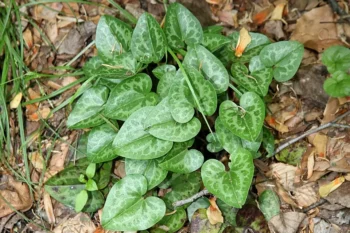
Meet the dwarfflower heartleaf (Hexastylis naniflora), a small but mighty native plant that’s become something of a botanical celebrity – not for its flashy flowers, but for its rarity and ecological importance. This charming little groundcover is one of those plants that makes you lean in closer to appreciate its quiet beauty.
What Makes This Plant Special?
The dwarfflower heartleaf is a perennial forb – essentially a soft-stemmed herbaceous plant without woody tissue. Don’t let the dwarf in its name fool you into thinking it’s insignificant. This low-growing native creates lovely carpets of heart-shaped leaves that bring a touch of woodland magic to shaded gardens.
What really sets this plant apart is its fascinating flowers. Unlike showier blooms that reach for the sky, dwarfflower heartleaf produces small, brownish flowers right at ground level. These inconspicuous blooms have evolved a special relationship with ground-dwelling insects, making this plant a unique piece of our native ecosystem puzzle.
Where Does It Call Home?
This native beauty has a very limited natural range, found only in North Carolina and South Carolina. Its restricted distribution is part of what makes it so special – and so vulnerable.
- Species observed
- No observations
A Word of Caution: Rarity Matters
Important: Before you fall head-over-heels for this plant, you need to know that dwarfflower heartleaf carries a threatened status in the United States and has a Global Conservation Status of S3 (Vulnerable). This means it’s at risk of disappearing from the wild due to its limited range and small population numbers.
If you’re committed to growing this rare native, please only source plants from reputable nurseries that propagate them responsibly rather than collecting from wild populations. Every plant matters when we’re talking about conservation!
Growing Dwarfflower Heartleaf Successfully
If you’re ready to become a steward of this special plant, here’s what you need to know:
Perfect Growing Conditions
- Light: Partial to full shade – think woodland understory conditions
- Soil: Moist, well-draining, humus-rich soil that mimics forest floor conditions
- USDA Hardiness Zones: 7-9
- Moisture: Consistent moisture without waterlogging
Planting and Care Tips
- Plant in spring or fall when temperatures are moderate
- Amend heavy clay soils with compost to improve drainage
- Mulch lightly with leaf mold or shredded leaves to retain moisture
- Once established, this is a relatively low-maintenance plant
- Avoid disturbing the roots once planted – they prefer to settle in and stay put
Garden Design Role
Dwarfflower heartleaf shines as a woodland groundcover in shade gardens. Its heart-shaped leaves create a lovely textural contrast when planted alongside ferns, wild gingers, and other shade-loving natives. This plant is perfect for:
- Woodland gardens that celebrate native biodiversity
- Shade gardens where you want something unique and meaningful
- Native plant collections focused on southeastern flora
- Conservation gardens that help preserve rare species
Supporting Wildlife
While we’re still learning about all the wildlife connections this rare plant supports, we do know it has specialized relationships with certain ground-dwelling insects. By growing dwarfflower heartleaf, you’re potentially providing habitat for creatures that might otherwise struggle to find the specific plants they need.
The Bottom Line
Dwarfflower heartleaf isn’t for every gardener – and that’s okay! This is a plant for those who are passionate about native plant conservation and want to play a role in preserving our botanical heritage. If you’re drawn to rare plants with fascinating stories and don’t mind putting in the effort to source them responsibly, this little heartleaf could become a treasured addition to your shade garden.
Remember, every garden can be a conservation space. By choosing to grow threatened natives like dwarfflower heartleaf (with responsibly sourced plants, of course), you’re helping ensure these special plants have a future beyond their shrinking wild habitats.