Dyebush: A Desert Gem for Water-Wise Gardens
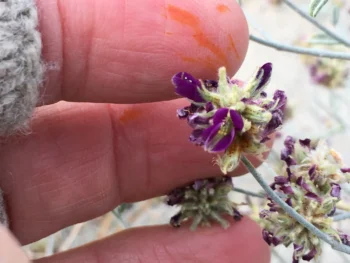
If you’re looking for a tough-as-nails native plant that laughs in the face of drought while serving up gorgeous purple blooms, let me introduce you to dyebush (Psorothamnus emoryi). This unassuming desert dweller might just become your new favorite low-maintenance garden companion.
What Is Dyebush?
Dyebush is a perennial herb native to the southwestern United States, specifically thriving in Arizona and California’s desert regions. Despite being classified as an herb, don’t expect to toss this one in your pasta sauce – it’s a sturdy, drought-adapted plant that belongs in your landscape, not your kitchen. You might also see it listed under its old scientific name, Dalea emoryi, but Psorothamnus emoryi is the current accepted botanical name.
Where Does Dyebush Call Home?
This desert native has made itself comfortable across the Sonoran Desert regions of Arizona and California. It’s perfectly adapted to the harsh conditions of these areas, which should give you a hint about just how resilient this plant can be in your garden.
- Species observed
- No observations
Why Your Garden Needs Dyebush
Here’s where dyebush really shines – it’s the ultimate low-maintenance plant for gardeners who want beauty without the constant fussing. The silvery-gray foliage provides year-round interest, while clusters of small purple to violet flowers appear seasonally, creating a lovely contrast against the desert backdrop.
But the real magic happens when the pollinators arrive. Bees, butterflies, and other desert-adapted pollinators absolutely love dyebush, making it an excellent choice for supporting local wildlife. It’s like hosting a dinner party for beneficial insects – except you don’t have to cook or clean up afterward!
Perfect Garden Settings
Dyebush is tailor-made for:
- Xeriscaping and water-wise landscapes
- Native plant gardens
- Desert and arid-themed landscapes
- Naturalistic plantings
- Pollinator gardens in appropriate climates
It works beautifully as an accent plant or massed for larger impact, and pairs wonderfully with other drought-tolerant natives.
Growing Conditions and Care
The beauty of dyebush lies in its simplicity. This plant thrives in USDA hardiness zones 9-11, so it’s best suited for gardeners in warmer climates. Here’s what it needs to flourish:
- Sunlight: Full sun – the more, the better
- Soil: Well-draining sandy or rocky soil (heavy clay is a no-go)
- Water: Minimal once established – perfect for water-conscious gardeners
- Fertilizer: None needed – this plant prefers the lean life
Planting and Care Tips
Getting dyebush established in your garden is refreshingly straightforward:
- Plant in fall when temperatures begin to cool
- Ensure excellent drainage – soggy roots are this plant’s kryptonite
- Water regularly the first year to help establishment, then back off significantly
- Skip the fertilizer – dyebush actually prefers poor soils
- Minimal pruning needed, just remove any dead or damaged growth
The Bottom Line
Dyebush is a winner for gardeners in suitable climates who want a beautiful, native plant that practically takes care of itself. It supports local wildlife, requires minimal water, and adds unique texture and seasonal color to drought-tolerant landscapes. Just remember – this desert native needs excellent drainage and lots of sun to truly thrive.
If you’re gardening outside of zones 9-11, don’t despair! Look for native alternatives in your region that offer similar drought tolerance and pollinator benefits. Your local native plant society can point you toward the perfect regional substitutes that will give you the same low-maintenance beauty in your climate.