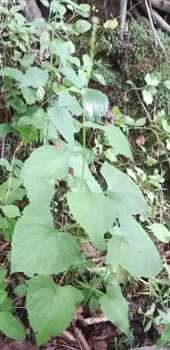
Eared Indian Plantain: Alaska’s Understated Woodland Beauty
If you’re looking for a native perennial that thrives in those tricky shady spots, let me introduce you to eared Indian plantain (Parasenecio auriculatus). This Alaska native might not be the showiest plant in your garden, but it brings a quiet elegance that’s hard to beat—especially if you’re trying to create a naturalized woodland feel.
What Makes Eared Indian Plantain Special?
Eared Indian plantain is a perennial forb, which simply means it’s a soft-stemmed flowering plant that comes back year after year. Unlike woody shrubs or trees, this plant dies back to the ground each winter and emerges fresh each spring. You might also see it listed under its former scientific names like Cacalia auriculata, but don’t let the botanical confusion fool you—it’s the same dependable plant.
This species is native exclusively to Alaska in North America, though it also grows naturally in parts of eastern Asia. In the gardening world, that makes it a true specialist for northern climates.
- Species observed
- No observations
Garden Appeal and Landscape Role
Don’t expect eared Indian plantain to steal the spotlight with flashy blooms, but its charm lies in its substantial foliage and delicate flower clusters. The plant produces large, heart-shaped leaves that create excellent ground coverage in shaded areas. Come summer, it sends up clusters of small white to cream-colored flowers that add a subtle, cottage garden feel to woodland spaces.
This plant shines in:
- Woodland gardens where you want that wild naturalized look
- Shady borders that need reliable perennial coverage
- Native plant gardens, especially in northern regions
- Areas where you’re trying to support local ecosystems
Wildlife and Pollinator Benefits
While eared Indian plantain may look unassuming, it pulls its weight in the ecosystem department. The summer flowers attract various small pollinators, particularly flies and smaller bee species. It’s not going to turn your yard into a butterfly highway, but it contributes to the web of native plants that support local wildlife.
Growing Conditions and Care
Here’s where eared Indian plantain really wins points—it’s refreshingly low-maintenance once you get it established. This tough northern native is hardy in USDA zones 2-6, making it perfect for gardeners dealing with harsh winters.
Ideal Growing Conditions:
- Partial to full shade (it actually prefers shadier spots)
- Moist, well-draining soil rich in organic matter
- Consistent moisture—it doesn’t like to dry out completely
- Cool, northern climates where it can experience proper winter chill
Planting and Care Tips
Getting eared Indian plantain established is pretty straightforward. Plant it in spring after your last frost date, giving it plenty of organic matter to work with. A good layer of mulch around the base will help maintain the consistent moisture it craves and keep the roots cool during summer heat.
Once established, this plant is fairly self-sufficient. You’ll want to keep it watered during dry spells, but it doesn’t need much fussing beyond that. In fall, you can cut back the dead foliage or leave it standing for winter interest—your choice.
Is Eared Indian Plantain Right for Your Garden?
This plant is ideal if you’re gardening in Alaska or similar northern climates and want to support native ecosystems. It’s particularly valuable if you have shady areas that need reliable, low-maintenance coverage. However, if you’re looking for a showstopper or live in warmer zones, you might want to consider other options.
Since eared Indian plantain is native to Alaska specifically, gardeners in other regions should consider their local native alternatives for woodland shade gardens. Your local native plant society can point you toward species that will provide similar benefits while supporting your area’s specific ecosystem.
For Alaska gardeners, though, eared Indian plantain represents an excellent opportunity to garden with nature rather than against it—and in those harsh northern conditions, that’s always a winning strategy.