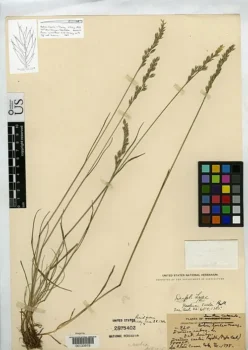
Earle’s Fescue: A Lesser-Known Native Grass for Southwestern Gardens
If you’re on the hunt for native grasses that truly belong in the American Southwest, Earle’s fescue (Festuca earlei) might just be the hidden gem you’ve been looking for. This perennial grass species flies under the radar compared to its more famous cousins, but it has some compelling qualities that make it worth considering for the right garden.
What is Earle’s Fescue?
Earle’s fescue is a perennial grass native to the southwestern United States. Like other members of the fescue family, it’s a graminoid – that’s botanist-speak for grass-like plant – that has adapted to life in some pretty challenging environments. You might also see it listed under the synonym Festuca brevifolia var. utahensis in older botanical references.
Where Does It Grow Naturally?
This native beauty calls four states home: Arizona, Colorado, New Mexico, and Utah. That geographic range tells us a lot about what this grass can handle – think high desert conditions, temperature swings, and the kind of rugged terrain that makes the Southwest so distinctive.
- Species observed
- No observations
Why Consider Earle’s Fescue for Your Garden?
Here’s where this grass starts to shine for the right gardener:
- True native credentials: If you’re in Arizona, Colorado, New Mexico, or Utah, this grass has been part of your local ecosystem far longer than any of us have been around
- Adapted to tough conditions: Based on where it grows naturally, this grass likely handles drought, poor soils, and temperature extremes better than many alternatives
- Low-maintenance potential: Native plants typically require less fussing once they’re established in appropriate conditions
- Ecological authenticity: Using truly local native species helps support the natural character of regional landscapes
The Honest Truth About Growing Earle’s Fescue
Here’s where I need to be upfront with you: Earle’s fescue is not the easiest native grass to find information about, let alone find at your local nursery. This species seems to be one of those botanist’s plants – scientifically documented but not widely cultivated or studied for garden use.
Best Guess Growing Conditions
Based on its natural range and family characteristics, Earle’s fescue likely prefers:
- USDA Hardiness Zones: Probably zones 4-8, given its distribution from Colorado to Arizona
- Soil: Well-draining soils, possibly including rocky or sandy conditions
- Water: Drought-tolerant once established, typical of southwestern natives
- Sun exposure: Likely full sun to partial shade
- Maintenance: Minimal once established in appropriate conditions
Garden Design Ideas
If you can source Earle’s fescue, it would likely work well in:
- Native plant gardens focusing on southwestern species
- Xeriscapes and water-wise landscapes
- Natural meadow or prairie restorations
- Erosion control on slopes (typical use for native grasses)
- Buffer zones around more cultivated garden areas
The Reality Check
Let’s be honest – unless you’re a dedicated native plant enthusiast or working on a restoration project, you’ll probably have a hard time finding Earle’s fescue at garden centers. It’s one of those plants that exists more in the realm of botanical surveys than backyard gardens.
If you’re drawn to the idea of native southwestern grasses but want something more readily available, consider looking into other regional natives like blue grama (Bouteloua gracilis) or buffalo grass (Poaceae dactyloides), which offer similar ecological benefits with better availability.
Should You Plant It?
If you’re in Arizona, Colorado, New Mexico, or Utah and you can find responsibly sourced Earle’s fescue, it could be a wonderful addition to a native plant collection. Its true native status and adaptation to regional conditions are compelling reasons to give it a try.
However, for most gardeners, this might be more of a someday plant – interesting to know about and worth seeking out if you’re really committed to using the most local native species possible, but not necessarily your first choice for immediate garden projects.
The beauty of native gardening is that every region has hidden gems like Earle’s fescue waiting to be rediscovered. Even if this particular grass doesn’t end up in your garden, learning about species like this helps us appreciate the incredible diversity of plants that have been quietly thriving in our landscapes all along.