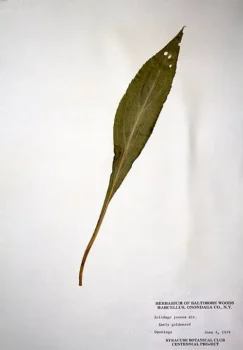
Early Goldenrod: A Golden Treasure for Late-Season Gardens
When most flowers are calling it quits for the season, early goldenrod (Solidago juncea) is just getting started. This native beauty lights up the landscape with brilliant yellow blooms that arrive just when your garden needs them most – in late summer and early fall.
What Makes Early Goldenrod Special?
Early goldenrod is a perennial forb native to both Canada and the lower 48 states, making it a true North American treasure. Despite its common name suggesting it blooms early, this plant actually flowers later in the growing season, typically from August through October. The name early refers to it being one of the first goldenrod species to be scientifically described, not its blooming time!
Where Does Early Goldenrod Grow?
This adaptable native has quite an impressive range, naturally occurring across a vast swath of North America. You’ll find early goldenrod growing wild from the Maritime provinces of Canada down through the eastern United States, with populations in states including Maine, New York, Pennsylvania, Virginia, North Carolina, Georgia, Florida, and even as far west as Arkansas and Louisiana.
- Species observed
- No observations
Important note: In Arkansas, early goldenrod has a rarity status of S1, meaning it’s critically imperiled in that state. If you’re gardening in Arkansas and want to include this species, please ensure you source plants or seeds from reputable native plant nurseries that practice responsible collection methods.
Why Plant Early Goldenrod?
There are plenty of compelling reasons to give this golden beauty a spot in your landscape:
- Late-season color: When most flowers are fading, early goldenrod provides brilliant yellow blooms that can last for weeks
- Pollinator magnet: Butterflies, bees, and other beneficial insects rely on goldenrods for crucial late-season nectar
- Low maintenance: Once established, this tough native requires minimal care
- Drought tolerant: Perfect for water-wise gardening
- Natural beauty: Adds authentic native character to any landscape
Perfect Garden Settings
Early goldenrod shines brightest in naturalized settings where it can show off its wild beauty. Consider incorporating it into:
- Prairie or meadow gardens
- Pollinator gardens
- Native plant landscapes
- Wildflower borders
- Rain gardens (though specific wetland tolerance is variable)
It pairs beautifully with other late-blooming natives like asters, joe-pye weed, and native grasses.
Growing Conditions and Care
One of the best things about early goldenrod is how easy it is to please. This adaptable native thrives in:
- Sunlight: Full sun for best flowering, though it can tolerate partial shade
- Soil: Well-draining soils of various types
- Water: Drought tolerant once established, but appreciates occasional watering during extended dry periods
- Climate: Hardy in USDA zones 3-9
Planting and Care Tips
Getting started with early goldenrod couldn’t be simpler:
- Plant in spring or fall when temperatures are moderate
- Space plants 18-24 inches apart to allow for natural spreading
- Water regularly the first year to help establish strong roots
- After that, minimal intervention needed – this plant practically grows itself!
- Cut back in late fall or early spring if desired, though leaving seed heads provides winter food for birds
Keep in mind that early goldenrod can spread via underground rhizomes, so it may naturalize over time. This is generally desirable in wildflower settings but something to consider in more formal garden designs.
A Note About Allergies
Here’s a fun fact that might surprise you: goldenrod is often unfairly blamed for fall allergies! The real culprit is usually ragweed, which blooms at the same time. Goldenrod pollen is heavy and sticky (perfect for attracting pollinators), while ragweed pollen is light and windborne. So you can enjoy those gorgeous golden blooms without worry!
Supporting Native Ecosystems
By planting early goldenrod, you’re not just adding beauty to your garden – you’re supporting native wildlife and contributing to local ecosystem health. This plant provides crucial resources for pollinators when many other food sources have disappeared for the season.
Early goldenrod proves that sometimes the best garden additions are the ones that have been thriving in your region for centuries. Give this golden native a try, and discover why it’s been lighting up North American landscapes long before any of us were around to appreciate it!