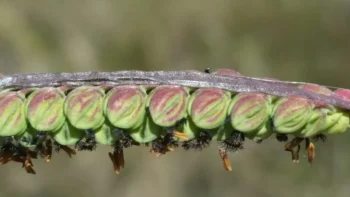
Early Paspalum: A Hidden Gem for Wetland Gardens
If you’re looking to create an authentic native wetland garden or restore a boggy corner of your property, early paspalum (Paspalum praecox) might just be the unsung hero you’ve been searching for. This modest native grass doesn’t demand attention with flashy flowers, but it quietly does the important work of stabilizing wet soils while supporting local ecosystems.
What Is Early Paspalum?
Early paspalum is a perennial native grass that belongs to the large and diverse grass family. Don’t let its humble appearance fool you – this fine-textured grass has been holding down wet soils across the southeastern United States for centuries. It’s one of those plants that proves not every garden star needs to be a showstopper.
Where Does Early Paspalum Call Home?
This native grass has made itself at home across eleven states in the southeastern United States, including Alabama, Arkansas, Florida, Georgia, Illinois, Louisiana, Mississippi, North Carolina, South Carolina, Texas, and Virginia. It’s particularly fond of the coastal plains and wetland areas where many other plants would struggle to establish.
- Species observed
- No observations
A Word of Caution: Rarity Matters
Before you start planning your early paspalum paradise, there’s something important to know. In Arkansas, this species has a rarity status of S1S2, meaning it’s quite uncommon in that state. If you’re interested in growing early paspalum, please make sure you source it responsibly from reputable native plant nurseries rather than collecting from wild populations.
Why Consider Early Paspalum for Your Garden?
While early paspalum won’t win any beauty contests, it brings some serious practical benefits to the right garden setting:
- Excellent for erosion control in wet areas
- Perfect for rain gardens and bioswales
- Supports native ecosystems and wildlife
- Low maintenance once established
- Authentic choice for wetland restoration projects
The Wetland Specialist
Here’s where early paspalum really shines – it’s a wetland specialist with different preferences depending on your region. In the Atlantic and Gulf Coastal Plain, it’s classified as an Obligate Wetland plant, meaning it almost always occurs in wetlands. In the Eastern Mountains and Piedmont, as well as the Great Plains, it’s more flexible as a Facultative Wetland species. In the Midwest, it’s back to being an obligate wetland dweller.
What does this mean for you? This grass wants consistently moist to wet feet, making it perfect for those challenging soggy spots where other plants struggle.
Growing Early Paspalum Successfully
If you’re ready to give early paspalum a try, here’s what you need to know:
Climate Requirements: Early paspalum thrives in USDA hardiness zones 7-10, so it’s well-suited to the warmer regions of the country.
Light Needs: This adaptable grass performs well in full sun to partial shade, though it tends to be more vigorous with plenty of sunlight.
Soil and Water: The key to success is consistent moisture. Early paspalum needs moist to wet soils year-round, making it ideal for rain gardens, pond edges, or naturally boggy areas.
Planting Tips: Spring is typically the best time to plant early paspalum. Make sure your planting site stays consistently moist, and be patient – native grasses often take a full season or more to become well-established.
Maintenance: Once established, early paspalum is refreshingly low-maintenance. It may benefit from occasional removal of competing weeds during its first year, but after that, it should hold its own.
Wildlife and Ecological Benefits
While early paspalum might not be a major pollinator magnet (it’s wind-pollinated, after all), it does provide seeds that birds appreciate. More importantly, it plays a crucial role in wetland ecosystems by providing habitat structure and helping to filter runoff water.
Is Early Paspalum Right for Your Garden?
Early paspalum isn’t for every garden or every gardener. If you have well-drained, dry soils, this isn’t your plant. But if you’re dealing with consistently wet areas, interested in native plant gardening, or working on wetland restoration, early paspalum could be exactly what you need.
Consider early paspalum if you:
- Have naturally wet or boggy areas in your landscape
- Are creating a rain garden or bioswale
- Want to support native ecosystems
- Prefer low-maintenance, functional plants over flashy ornamentals
- Are working on wetland or prairie restoration
Remember, successful native gardening is about matching the right plant to the right place. Early paspalum may be humble, but in the right wet spot, it’s absolutely perfect.