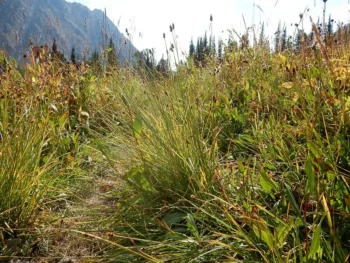
Early Sedge: The Perfect Native Plant for Your Wet Garden Spots
If you’ve got a soggy spot in your yard that makes you scratch your head wondering what to plant there, let me introduce you to early sedge (Carex praeceptorum). This unassuming but incredibly useful native sedge might just become your new best friend for those challenging wet areas where other plants fear to tread.
What Makes Early Sedge Special?
Early sedge, also known as teacher’s sedge, is a perennial graminoid that belongs to the sedge family. Don’t let the humble appearance fool you – this grass-like plant is a wetland warrior that’s been thriving in North America’s wet places long before any of us started gardening. As a true native species found throughout Canada and the lower 48 states, it’s perfectly adapted to our climate and ecosystems.
Where Does Early Sedge Call Home?
This hardy sedge has quite the geographic range, naturally occurring across the western regions of North America. You’ll find wild populations stretching from British Columbia down through California, and eastward through Colorado, Idaho, Montana, Nevada, Oregon, Utah, Washington, and Wyoming. It’s particularly well-suited to the diverse climates found in USDA hardiness zones 3 through 8.
- Species observed
- No observations
Why Your Garden (and Local Wildlife) Will Love It
Here’s where early sedge really shines – it’s classified as an obligate wetland plant across multiple regions, including the Arid West, Great Plains, and Western Mountains. This means it almost always occurs in wetlands naturally, making it absolutely perfect for:
- Rain gardens and bioswales
- Pond and stream margins
- Wet meadow restorations
- Bog gardens
- Any consistently moist area in your landscape
While early sedge is wind-pollinated (so it won’t attract butterflies with showy flowers), it provides valuable habitat structure for small insects and creates dense, naturalistic plantings that wildlife appreciate for cover and nesting materials.
What to Expect: Looks and Growth
Early sedge forms attractive, dense tufts of narrow, arching leaves that create a fountain-like appearance. The foliage has that classic sedge look – slender and grass-like but with a distinctive three-sided stem if you look closely. In late spring to early summer, it produces small, brownish flower spikes that may not win any beauty contests but add subtle texture and movement to the garden.
The overall effect is understated elegance – think of it as the quiet, reliable friend in your plant palette rather than the flashy showstopper.
Growing Early Sedge Successfully
The beauty of native plants like early sedge is that they’re generally low-maintenance once you understand their preferences. Here’s what you need to know:
Light Requirements: Early sedge is quite adaptable, thriving in full sun to partial shade. This flexibility makes it perfect for various garden situations.
Soil and Water Needs: This is where early sedge gets picky – in a good way! It absolutely loves consistently moist to wet soils. If you have an area that stays soggy after rain or a low spot that collects water, this is your plant. Don’t try to grow it in dry, well-drained soil – you’ll both be miserable.
Planting Tips: Spring and fall are the best times to plant early sedge. Space plants about 12-18 inches apart for eventual coverage, or closer if you want quicker establishment. Make sure the planting area stays consistently moist during the establishment period.
Care and Maintenance: Once established, early sedge is remarkably low-maintenance. You can divide clumps in spring or fall if you want to spread it to other areas or refresh older plantings. Otherwise, just let it do its thing – nature knows best!
Is Early Sedge Right for Your Garden?
Early sedge is an excellent choice if you:
- Have wet or consistently moist areas in your landscape
- Want to support native ecosystems and wildlife
- Prefer low-maintenance, sustainable gardening
- Are creating rain gardens or wetland restorations
- Appreciate subtle, naturalistic beauty over flashy flowers
However, it might not be the best fit if you:
- Have only dry, well-drained garden areas
- Prefer high-impact ornamental plants
- Don’t have the space for its spreading habit
The Bottom Line
Early sedge proves that native plants don’t have to be complicated to be incredibly valuable. This reliable, wetland-loving sedge offers gardeners a sustainable solution for challenging wet areas while supporting local ecosystems. It’s the kind of plant that quietly does its job, looking good while making your garden more resilient and wildlife-friendly.
So the next time you’re staring at that perpetually soggy spot in your yard, remember early sedge. It might just be the perfect plant that’s been waiting for you to discover it.