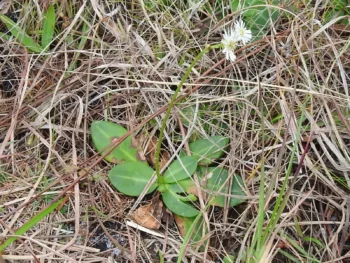
Early Whitetop Fleabane: A Hidden Gem for Wet Gardens
If you’re struggling with a persistently soggy spot in your yard, meet your new best friend: early whitetop fleabane (Erigeron vernus). This charming native perennial might not have the flashiest name in the plant world, but it’s exactly what your wet garden spaces have been waiting for.
What Makes Early Whitetop Fleabane Special?
Early whitetop fleabane is a true southeastern native, calling home to nine states across the region: Alabama, Florida, Georgia, Louisiana, Mississippi, North Carolina, South Carolina, Virginia, and even the District of Columbia. As a perennial forb (that’s plant-speak for a non-woody flowering plant), it comes back year after year to brighten up those challenging wet spots where other plants fear to tread.
- Species observed
- No observations
This little powerhouse has earned its early moniker honestly – it’s one of the first wildflowers to bloom in spring, often appearing when most other plants are still shaking off winter’s chill. The delicate white daisy-like flowers with sunny yellow centers create a cheerful carpet that signals the garden season has officially begun.
Why Your Garden Needs This Wetland Wonder
Here’s where early whitetop fleabane really shines: it’s an obligate wetland plant. In plain English, that means it absolutely loves wet feet and thrives in conditions that would make most garden plants throw in the trowel. If you have:
- A rain garden that needs reliable ground cover
- Boggy areas that stay consistently moist
- Low-lying spots where water naturally collects
- Wetland restoration projects
Then early whitetop fleabane should be on your must-have list. It’s perfectly adapted for USDA hardiness zones 6 through 9, making it suitable for most of the southeastern United States.
Pollinator Paradise in Early Spring
While many gardeners focus on summer and fall bloomers for pollinator support, early whitetop fleabane fills a crucial gap in the pollinator calendar. Its early spring flowers provide much-needed nectar and pollen when native bees, beneficial flies, and other small pollinators are just emerging from winter dormancy. Think of it as setting out the welcome mat for your garden’s hardest workers.
Growing Early Whitetop Fleabane Successfully
The beauty of this native plant is its refreshingly simple care requirements. Once you understand its basic needs, it practically takes care of itself.
Perfect Growing Conditions
Early whitetop fleabane isn’t picky about light – it happily grows in full sun to partial shade. The non-negotiable requirement? Consistently moist to wet soil. This isn’t a plant that will forgive you for letting the soil dry out between waterings. If you have naturally wet areas or are willing to provide supplemental irrigation, you’re golden.
Planting and Care Made Simple
Spring is the ideal time to establish early whitetop fleabane in your garden. Here’s your simple success formula:
- Choose a location with reliable moisture – natural wet spots are perfect
- Plant in spring after the last frost date
- Maintain consistent soil moisture (this is crucial!)
- Step back and let nature do its thing
Once established, this native perennial requires minimal fuss. No fertilizing, no complicated pruning schedules – just ensure it never goes thirsty, and it’ll reward you with years of early spring blooms.
Design Ideas for Your Landscape
Early whitetop fleabane works beautifully as a naturalized ground cover in wet areas, creating drifts of white flowers that look like nature planted them herself. It’s perfect for:
- Rain gardens where it can handle both flooding and normal moisture
- Native plant gardens focused on regional flora
- Bog gardens and other specialty wet plantings
- Wetland edges and restoration projects
The Bottom Line
Early whitetop fleabane might not be the showiest plant in the nursery, but for gardeners dealing with wet conditions, it’s pure gold. This southeastern native offers reliable early spring color, supports native pollinators when they need it most, and thrives in conditions that challenge most other plants. If you’ve got wet spots that need a solution, early whitetop fleabane deserves a place in your gardening toolkit.
Sometimes the best garden solutions come in humble packages – and early whitetop fleabane is living proof that the right plant in the right place can transform a gardening challenge into a seasonal highlight.