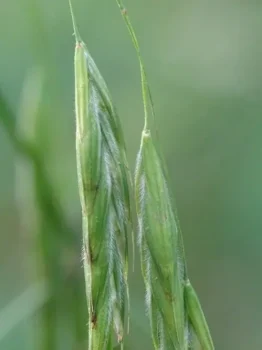
Earlyleaf Brome: A Graceful Native Grass for Shady Spots
If you’re looking for a native grass that thrives where most others struggle—in the shade—then earlyleaf brome (Bromus latiglumis) might just be your new garden hero. This perennial beauty brings an understated elegance to woodland gardens and naturalized landscapes, proving that native plants can be both practical and pretty.
Meet the Earlyleaf Brome
Earlyleaf brome goes by the botanical name Bromus latiglumis, and you might occasionally see it listed under its old scientific name, Bromus altissimus. This native perennial grass has earned its place in the hearts of native plant enthusiasts across North America, and once you get to know it, you’ll understand why.
Where Does It Call Home?
This adaptable grass has quite an impressive native range, stretching across much of North America. You’ll find it naturally growing from southeastern Canada down through the eastern United States and west into the Great Plains. Specifically, it’s native to these areas:
- Canadian provinces: Alberta, British Columbia, Manitoba, New Brunswick, Ontario, Quebec, and Saskatchewan
- U.S. states: Connecticut, Delaware, District of Columbia, Illinois, Indiana, Iowa, Kansas, Kentucky, Maine, Maryland, Massachusetts, Michigan, Minnesota, Missouri, Montana, Nebraska, New Hampshire, New Jersey, New York, North Carolina, North Dakota, Ohio, Pennsylvania, South Dakota, Tennessee, Vermont, Virginia, West Virginia, and Wisconsin
- Species observed
- No observations
A Word About Rarity
Here’s something important to know: earlyleaf brome is considered rare in some areas. In New Jersey, for example, it’s listed as S2S3 in the Highlands region, meaning it’s uncommon to fairly uncommon in the state. If you’re planning to add this grass to your garden, make sure you source it responsibly from reputable native plant nurseries rather than collecting it from the wild. This helps protect existing wild populations while still allowing you to enjoy this lovely grass in your own landscape.
Why Choose Earlyleaf Brome?
What makes this grass special? For starters, it’s one of the few grasses that actually prefers shadier conditions. While most grasses demand full sun, earlyleaf brome is perfectly content in partial to full shade, making it an excellent choice for woodland gardens and other low-light areas where you want to add some grassy texture.
The plant forms attractive clumps and produces graceful, drooping seed heads that add movement and visual interest to the landscape. It’s particularly stunning when planted in drifts or allowed to naturalize in woodland settings.
Perfect Garden Partnerships
Earlyleaf brome shines in several types of garden settings:
- Woodland and shade gardens where it provides textural contrast to broad-leaved perennials
- Naturalized landscapes and prairie restorations
- Rain gardens and areas with consistently moist soil
- Native plant gardens focused on regional flora
Growing Conditions and Care
One of the best things about earlyleaf brome is its easy-going nature. This grass is classified as a facultative wetland plant, meaning it usually grows in wetlands but can also thrive in non-wetland conditions. This flexibility makes it adaptable to various garden situations.
Here’s what earlyleaf brome prefers:
- Light: Partial shade to full shade (unlike most grasses!)
- Soil: Moist to wet soils, but adaptable to various soil types
- Hardiness: USDA zones 3-8
- Maintenance: Very low once established
Planting and Care Tips
Getting started with earlyleaf brome is refreshingly straightforward. Plant it in spring after the last frost, giving each plant enough space to form its natural clump. While it can handle various soil conditions, it’s happiest in consistently moist soil.
Once established, this grass is remarkably low-maintenance. It may self-seed in favorable conditions, which can be a bonus if you want it to naturalize. The main care requirement is simply ensuring it doesn’t dry out completely during extended dry periods, especially in its first year.
Wildlife and Ecological Benefits
Like many native grasses, earlyleaf brome provides important ecological benefits. The seeds serve as food for various bird species, and the grass provides shelter and nesting materials for small wildlife. By choosing this native option over non-native grasses, you’re supporting local ecosystems and helping maintain biodiversity in your landscape.
Is Earlyleaf Brome Right for Your Garden?
If you have a shady spot that needs some grassy texture, or if you’re working on a native plant garden, earlyleaf brome is definitely worth considering. Its tolerance for shade sets it apart from most other grasses, and its native status means you’re making an environmentally friendly choice.
Just remember to source your plants responsibly, especially given its rarity status in some areas. When you do add it to your garden, you’ll be rewarded with a graceful, low-maintenance grass that brings both beauty and ecological value to your landscape.