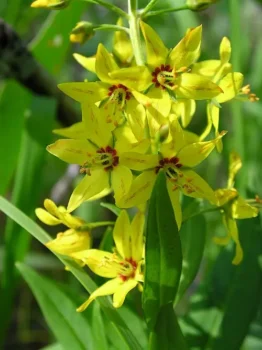
Earth Loosestrife: A Bright Yellow Gem for Your Wetland Garden
If you’ve been searching for a cheerful native perennial that absolutely loves getting its feet wet, let me introduce you to earth loosestrife (Lysimachia terrestris). This delightful wildflower might not be the most famous plant in the native gardening world, but it’s certainly one of the most reliable when it comes to adding sunny yellow blooms to those tricky wet spots in your landscape.
What Makes Earth Loosestrife Special?
Earth loosestrife is a true North American native, naturally occurring across a vast range from Canada down through most of the eastern and central United States. This herbaceous perennial belongs to the primrose family and has earned its place in the native plant hall of fame through sheer adaptability and dependable beauty.
The plant produces clusters of bright, star-shaped yellow flowers that seem to glow against the green foliage during mid to late summer. These cheery blooms are arranged in terminal spikes that can reach 1 to 4 feet tall, creating lovely vertical accents in the garden. The simple, opposite leaves provide a clean backdrop that lets those golden flowers really steal the show.
Where Does Earth Loosestrife Call Home?
This adaptable native has one of the most impressive geographic ranges you’ll find in the plant world. Earth loosestrife grows naturally across an extensive area including British Columbia, Manitoba, New Brunswick, Nova Scotia, Ontario, Prince Edward Island, Quebec, and extends through most U.S. states from Maine to Georgia and west to Idaho, Oregon, and Washington. You’ll also find it in some surprising places like Labrador and Newfoundland.
- Species observed
- No observations
The Water-Loving Truth About Earth Loosestrife
Here’s where things get interesting – and where many gardeners either fall in love with this plant or realize it’s not for them. Earth loosestrife is classified as an obligate wetland species across all regions where it grows. This means it almost always occurs in wetlands and absolutely requires consistently moist to wet conditions to thrive.
If you have a rain garden, pond margin, boggy area, or that frustrating wet spot where other plants struggle, earth loosestrife might just be your new best friend. However, if your garden runs on the drier side, this probably isn’t the plant for you.
Why Grow Earth Loosestrife?
Beyond its obvious appeal for wet areas, earth loosestrife offers several compelling reasons to include it in your native plant palette:
- Pollinator magnet: Those bright yellow flowers are incredibly attractive to bees, flies, and small butterflies during the summer blooming season
- Low maintenance: Once established in the right conditions, this plant practically takes care of itself
- Native credentials: Supporting local ecosystems while adding beauty to your landscape
- Extended bloom time: Flowers appear from mid-summer through late summer, providing consistent color
- Naturalistic appeal: Perfect for creating that wild look in appropriate garden settings
Perfect Garden Settings
Earth loosestrife shines brightest in:
- Rain gardens and bioswales
- Pond and stream margins
- Bog gardens and wetland restorations
- Native plant gardens with water features
- Naturalized wet meadow areas
- Areas with seasonal flooding or poor drainage
Growing Earth Loosestrife Successfully
Hardiness: Earth loosestrife is remarkably cold-hardy, thriving in USDA zones 3-8, making it suitable for most of the continental United States and much of Canada.
Light requirements: This flexible native performs well in full sun to partial shade, though you’ll get the most prolific blooming in sunnier locations.
Soil needs: The key to success is moisture, moisture, moisture. Earth loosestrife requires consistently moist to wet soils and won’t tolerate drought conditions. It’s perfectly happy in heavy clay, mucky soils, or even areas with standing water.
Planting and Care Tips
Getting earth loosestrife established is refreshingly straightforward:
- Timing: Plant in spring after the last frost when soil is workable
- Preparation: Choose the wettest spot in your garden – this plant will thank you for it
- Spacing: Allow 12-18 inches between plants, as they may spread naturally via rhizomes in ideal conditions
- Watering: In wetland conditions, nature usually handles this for you
- Fertilizing: Generally unnecessary in rich, moist soils
- Maintenance: Minimal care required once established – just occasional removal of spent flower heads if desired
Is Earth Loosestrife Right for Your Garden?
Earth loosestrife is an excellent choice if you have wet conditions and want to support native pollinators while adding reliable summer color to your landscape. Its extensive native range means it’s likely well-adapted to your local climate, and its obligate wetland status makes it perfect for those challenging wet spots where other perennials fail.
However, this isn’t a plant for average garden beds or drier conditions. If you’re looking for a more versatile native perennial, you might want to consider alternatives better suited to typical garden soils.
For gardeners blessed with wet, boggy, or seasonally flooded areas, earth loosestrife offers the perfect combination of native authenticity, pollinator appeal, and cheerful summer blooms. Sometimes the best plants are the ones that love the conditions other plants can’t handle – and earth loosestrife definitely fits that description!