Eastern Bluestar: A Native Gem That Brings Spring Magic to Your Garden
If you’re looking for a native perennial that delivers both stunning spring blooms and gorgeous fall color, let me introduce you to eastern bluestar (Amsonia tabernaemontana var. tabernaemontana). This delightful native wildflower might just become your new garden favorite, and here’s why it deserves a spot in your landscape.
What Makes Eastern Bluestar Special?
Eastern bluestar is a true American native, naturally occurring across a impressive range of states from Massachusetts down to Florida and west to Texas, Kansas, and Illinois. You’ll find this hardy perennial growing wild in Alabama, Arkansas, Delaware, Florida, Georgia, Illinois, Kansas, Kentucky, Louisiana, Maryland, Massachusetts, Mississippi, Missouri, New Jersey, New York, North Carolina, Oklahoma, Pennsylvania, South Carolina, Tennessee, Texas, and Virginia.
- Species observed
- No observations
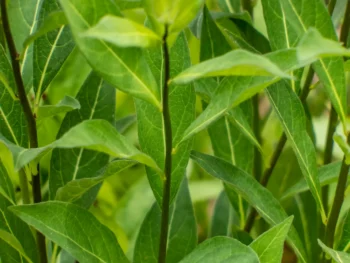
This perennial forb (that’s botanist-speak for a non-woody flowering plant) puts on quite the show throughout the growing season. In late spring, clusters of star-shaped, pale blue flowers create clouds of soft color that seem to float above the narrow, willow-like foliage. But the magic doesn’t stop there – come fall, those same leaves transform into a spectacular golden-yellow display that rivals any ornamental shrub.
Why Your Garden (and Local Wildlife) Will Love It
Eastern bluestar isn’t just a pretty face – it’s a hardworking member of the garden ecosystem. Those spring blooms are magnets for bees, butterflies, and other beneficial insects, making it an excellent choice for pollinator gardens. The nectar-rich flowers provide crucial early-season food when many other plants are just getting started.
From a design perspective, eastern bluestar plays well with others. Its upright growth habit and fine-textured foliage make it perfect for:
- Native plant gardens and naturalized landscapes
- Pollinator and butterfly gardens
- Woodland edges and partially shaded borders
- Mixed perennial beds where you want reliable, long-season interest
- Cottage-style gardens with a more relaxed, natural feel
Growing Eastern Bluestar: Easier Than You Think
One of the best things about eastern bluestar is how adaptable and low-maintenance it is once established. This native beauty is hardy in USDA zones 3-9, making it suitable for most of the continental United States.
Light Requirements: Eastern bluestar is quite flexible with lighting conditions. It thrives in full sun to partial shade, though it may appreciate some afternoon shade in hotter climates.
Soil Needs: This adaptable native isn’t picky about soil types and will grow in everything from clay to sandy soils. It prefers moderate moisture levels but can tolerate some drought once established.
Size and Growth: Expect your eastern bluestar to reach about 2-3 feet tall and wide at maturity, forming neat, well-behaved clumps that won’t take over your garden.
Planting and Care Tips
Getting eastern bluestar established in your garden is refreshingly straightforward:
- Plant in spring or fall when temperatures are moderate
- Space plants about 2-3 feet apart to allow for mature spread
- Water regularly the first year to help establish strong roots
- In very rich, fertile soils, you might need to provide some support as plants can get a bit floppy
- Deadhead spent flowers if you want to prevent self-seeding, though many gardeners enjoy the natural spreading
- Cut back in late fall or early spring – the golden fall foliage is worth keeping as long as possible
A Few Things to Keep in Mind
Eastern bluestar has a Global Conservation Status of S3Q (undefined), which suggests it may face some conservation concerns in certain areas. When adding this beauty to your garden, make sure to source plants from reputable native plant nurseries that propagate their stock responsibly rather than wild-collecting.
Also known by the botanical synonyms Amsonia amsonia and Amsonia glaberrima in some older references, this plant is sometimes simply called bluestar in casual conversation.
The Bottom Line
Eastern bluestar offers the perfect combination of native authenticity, ecological value, and garden-worthy beauty. Its spring flowers provide early nectar for pollinators, its summer foliage adds fine texture to plantings, and its fall color creates a stunning finale to the growing season. Plus, once established, it’s virtually maintenance-free – what more could you ask for in a native perennial?
Whether you’re creating a dedicated native plant garden, enhancing habitat for local wildlife, or simply want a reliable, beautiful perennial that celebrates America’s natural heritage, eastern bluestar deserves serious consideration. Your garden (and your local ecosystem) will thank you for it.