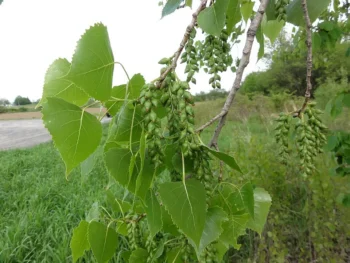
Eastern Cottonwood: The Gentle Giant of North American Waterways
If you’re looking for a fast-growing native shade tree that can transform your landscape in just a few years, the Eastern Cottonwood (Populus deltoides) might be calling your name. This perennial woody giant is one of North America’s most widespread native trees, and for good reason – it’s both beautiful and incredibly adaptable.
What Makes Eastern Cottonwood Special?
Eastern Cottonwood is a true American native, naturally occurring across an impressive range from Canada down to the southern United States. This tree calls home to an astounding number of places, growing naturally in Alberta, British Columbia, Manitoba, Ontario, Quebec, Saskatchewan, and virtually every U.S. state from Maine to Florida and west to Montana, Wyoming, Colorado, New Mexico, and Arizona. Talk about being well-traveled!
- Species observed
- No observations
What sets this tree apart is its remarkable growth rate and distinctive appearance. With its triangular leaves that dance and shimmer in the slightest breeze, Eastern Cottonwood creates a dynamic, ever-moving canopy that adds life and movement to any landscape.
Size Matters: Understanding Eastern Cottonwood’s Growth
Here’s where things get impressive – and where you need to think carefully about placement. Eastern Cottonwood grows rapidly, potentially reaching 80 feet in just 20 years, with mature specimens towering up to 190 feet tall. This isn’t a tree for small spaces or cozy suburban lots. It develops a single trunk with an erect growth form and a broad, spreading crown that demands respect and room to breathe.
The tree’s relatively short lifespan means you’ll get to enjoy dramatic growth and impact relatively quickly, but it won’t be a centuries-old family heirloom like an oak might be.
Where Eastern Cottonwood Thrives
This adaptable native has a facultative wetland status across all regions of North America, meaning it’s equally happy in wet and dry conditions – though it definitely has preferences. Eastern Cottonwood naturally gravitates toward:
- Floodplains and riparian areas
- Areas with high moisture availability
- Full sun locations (it’s quite shade intolerant)
- Well-drained soils of various textures
The tree is remarkably tolerant of different soil types, handling coarse, medium, and fine-textured soils with equal aplomb. It can even handle some salinity and has medium drought tolerance once established.
Growing Conditions and Care
Eastern Cottonwood is surprisingly easy-going for such a large tree. It thrives in USDA hardiness zones 2-9, tolerating temperatures as low as -43°F. Here are the key growing conditions:
- Soil pH: Prefers slightly acidic to neutral soils (4.6-6.5)
- Moisture: High water use, but adaptable to various moisture levels
- Sun: Full sun required – this tree doesn’t do shade
- Space: Plant 170-800 trees per acre, giving each plenty of room
- Fertility: Medium fertility requirements
Is Eastern Cottonwood Right for Your Landscape?
Eastern Cottonwood shines in specific landscape roles:
- Large property shade tree
- Windbreak or shelter belt
- Erosion control along waterways
- Wildlife habitat and naturalistic plantings
- Park and public space specimens
However, this tree isn’t ideal for every situation. Skip Eastern Cottonwood if you have:
- Small residential lots
- Areas where falling branches could be problematic
- Locations where you need long-term permanence
- Heavily shaded sites
Planting and Propagation
The good news? Eastern Cottonwood is routinely available commercially and can be propagated multiple ways. You can start with bare root plants, containers, cuttings, or seeds. Seeds are abundant and germinate with high vigor, though they don’t persist long and should be planted fresh in spring.
The tree has excellent resprouting ability and can even be coppiced, making it surprisingly resilient despite its relatively short lifespan.
Wildlife and Ecological Benefits
While Eastern Cottonwood is wind-pollinated rather than insect-pollinated, it still provides significant ecological value. The tree offers nesting sites and habitat for various wildlife species, and its rapid growth makes it an excellent pioneer species for restoration projects.
The spring blooming period produces yellow flowers, and the conspicuous white seeds create quite a show when they’re released – though some gardeners find the cottony seed dispersal a bit messy.
The Bottom Line
Eastern Cottonwood is a spectacular native tree that can provide rapid results for the right landscape. If you have the space for a large, fast-growing shade tree and appreciate the ecological benefits of native species, this gentle giant could be perfect for your property. Just make sure you’re prepared for its ultimate size and give it the room it needs to truly shine.
With proper placement and care, Eastern Cottonwood can be a stunning addition to large landscapes, providing quick shade, wildlife habitat, and a beautiful example of North American native plant life.