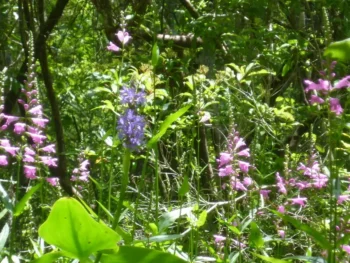
Eastern False Dragonhead: A Hidden Gem for Southern Native Plant Gardens
If you’re searching for a unique native perennial that brings late-season color to your garden while supporting local wildlife, let me introduce you to eastern false dragonhead (Physostegia purpurea). This charming southeastern native might not be as well-known as its more popular cousin, but it deserves a spot in every native plant enthusiast’s garden.
What Makes Eastern False Dragonhead Special?
Eastern false dragonhead is a true southeastern native, calling Florida, Georgia, North Carolina, and South Carolina home. As a perennial forb, this herbaceous beauty lacks woody stems but makes up for it with stunning purple-pink tubular flowers that bloom in terminal spikes during late summer and fall—exactly when many other native plants are winding down for the season.
The plant gets its intriguing name from the dragon-like appearance of its individual flowers, though don’t worry—this dragon is completely friendly to both gardeners and wildlife!
- Species observed
- No observations
Why Your Garden (and Local Wildlife) Will Love It
There are several compelling reasons to consider adding eastern false dragonhead to your landscape:
- Native credentials: As a true native of the southeastern United States, it’s perfectly adapted to local growing conditions and supports regional ecosystems
- Pollinator magnet: The nectar-rich flowers attract bees, butterflies, and other beneficial native pollinators during their active season
- Late-season bloomer: Provides crucial late summer and fall color when many gardens start looking tired
- Wetland tolerance: Classified as a facultative wetland plant, meaning it thrives in moist conditions but can adapt to drier sites
- Low maintenance: Once established, this perennial requires minimal care
Perfect Spots for Eastern False Dragonhead
This versatile native works beautifully in several garden settings:
- Rain gardens and bioswales where its wetland tolerance shines
- Native plant gardens as part of a regional ecosystem
- Butterfly gardens where its late-season blooms provide crucial nectar
- Naturalized meadow areas for a wild, natural look
- Pond or stream edges where it can enjoy consistent moisture
Growing Conditions and Care
Eastern false dragonhead is refreshingly easy to grow when you match its preferences:
Climate: Hardy in USDA zones 7-9, making it perfect for most of the southeastern United States where it naturally occurs.
Light requirements: Thrives in partial shade to full sun, though some afternoon shade in hotter climates can be beneficial.
Soil preferences: Prefers moist to wet soils but adapts to various soil types. Its facultative wetland status means it’s happiest with consistent moisture but won’t sulk in drier conditions once established.
Maintenance: This is a wonderfully low-maintenance native. Water regularly during the first growing season to help establish roots, then let nature take over. The plant can spread by rhizomes, creating natural colonies over time—perfect for filling in naturalized areas.
Planting Tips for Success
Getting your eastern false dragonhead off to a strong start is straightforward:
- Plant in spring after the last frost date for your area
- Space plants 18-24 inches apart to allow for natural spreading
- Water consistently during the establishment period (first growing season)
- Add organic mulch around plants to retain moisture and suppress weeds
- Allow plants to go to seed if you want to encourage natural reseeding
The Bottom Line
Eastern false dragonhead represents everything we love about native plants: it’s beautiful, beneficial to wildlife, low-maintenance, and perfectly adapted to southeastern growing conditions. While it might not be the flashiest plant in the garden center, this humble native offers reliable performance and ecological value that makes it a worthy addition to any native plant garden.
If you’re looking to support local ecosystems while adding unique late-season interest to your landscape, eastern false dragonhead deserves serious consideration. Your local pollinators will thank you, and you’ll enjoy watching this charming native settle into its new home with the confidence that comes from millions of years of regional adaptation.