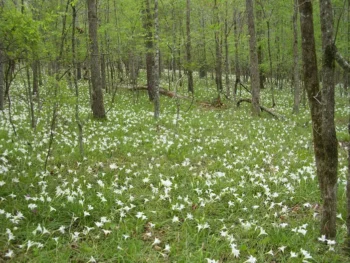
Eastern Fringed Catchfly: A Rare Gem Worth Protecting in Your Garden
Meet the eastern fringed catchfly (Silene polypetala), a delicate native wildflower that’s as rare as it is beautiful. This charming perennial might just be one of the most special plants you could add to your garden – if you can find it responsibly sourced, that is.
What Makes Eastern Fringed Catchfly Special?
The eastern fringed catchfly is a true southeastern native, calling only Florida and Georgia home. This petite forb produces stunning white flowers with deeply fringed, lacy petals that seem almost too delicate to be real. The blooms appear in spring and emit a subtle fragrance that attracts night-flying moths and butterflies.
As a perennial herbaceous plant, it returns year after year, forming small clumps that gradually spread in the right conditions. Don’t expect a tall showstopper – this modest beauty stays relatively low-growing and prefers to charm you up close rather than command attention from across the yard.
Geographic Distribution and Rarity
Here’s where things get serious: the eastern fringed catchfly is incredibly rare. Found only in Florida and Georgia, this plant has a Global Conservation Status of S2, meaning it’s imperiled due to extreme rarity. In the United States, it’s classified as Endangered, with typically only 6 to 20 occurrences remaining in the wild.
- Species observed
- No observations
Should You Grow Eastern Fringed Catchfly?
If you’re passionate about native plant conservation and live in USDA hardiness zones 8-10, growing eastern fringed catchfly could be a meaningful way to help preserve this species. However – and this is crucial – you should only plant it if you can source it responsibly from reputable native plant nurseries that propagate rather than wild-harvest their plants.
This plant is perfect for:
- Conservation-minded gardeners
- Native plant enthusiasts
- Wildflower meadow projects
- Specialized native plant gardens
- Pollinator gardens focused on night-flying insects
Growing Conditions and Care
Eastern fringed catchfly appreciates conditions that mimic its natural habitat in the southeastern coastal plains. It thrives in sandy, well-draining soils and can handle both partial shade and full sun exposure. Once established, it’s quite drought tolerant – a helpful trait for low-maintenance gardening.
The key growing requirements include:
- Sandy, well-draining soil
- Partial shade to full sun
- USDA hardiness zones 8-10
- Minimal water once established
- Good air circulation
Planting and Care Tips
If you’re lucky enough to find responsibly sourced eastern fringed catchfly, plant it in spring after the last frost. Choose a spot with excellent drainage – this plant doesn’t appreciate wet feet. Space plants about 12 inches apart to allow for natural spreading.
Care is refreshingly simple once the plant is established. Water regularly during the first growing season to help roots develop, then step back and let nature take over. This tough little native rarely needs supplemental water, fertilizer, or pest control.
Wildlife and Pollinator Benefits
The eastern fringed catchfly plays host to various night-flying pollinators, particularly moths and some butterfly species. Its white, fragrant flowers are perfectly designed to attract these evening visitors, making it a valuable addition to pollinator gardens focused on supporting the full spectrum of beneficial insects.
A Plant Worth Protecting
Growing eastern fringed catchfly isn’t just about adding beauty to your garden – it’s about participating in conservation. By choosing to grow this rare native (from ethical sources), you’re helping ensure that future generations might still encounter this delicate beauty in the wild.
Remember, with great rarity comes great responsibility. If you decide to grow eastern fringed catchfly, source it only from reputable native plant nurseries that can verify their propagation methods. Together, we can help this endangered beauty make a comeback, one garden at a time.