Eastern Gamagrass: A Towering Native Grass for Wet Spots and Prairie Dreams
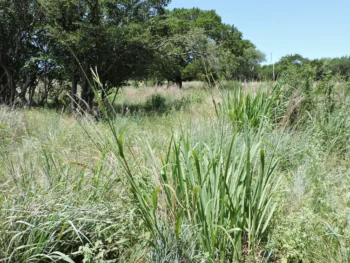
If you’re looking for a native grass that makes a statement, eastern gamagrass (Tripsacum dactyloides) might just be your new best friend. This robust perennial grass is like the gentle giant of the native plant world – standing tall at up to 5 feet, but perfectly content to mind its own business in your garden’s wetter corners.
What Makes Eastern Gamagrass Special?
Eastern gamagrass is a true American native, calling home to an impressive 31 states across the eastern and central United States. From the Atlantic coast to the Great Plains, this adaptable grass has been quietly doing its job for centuries, and it’s ready to do the same in your landscape.
You’ll find this handsome grass naturally growing from Maine down to Florida and west through Texas, Oklahoma, and up into the Midwest. It’s particularly happy in Alabama, Arkansas, Connecticut, Delaware, District of Columbia, Florida, Georgia, Illinois, Indiana, Iowa, Kansas, Kentucky, Louisiana, Maryland, Massachusetts, Michigan, Mississippi, Missouri, Nebraska, New Jersey, New York, North Carolina, Ohio, Oklahoma, Pennsylvania, Rhode Island, South Carolina, Tennessee, Texas, Virginia, and West Virginia.
- Species observed
- No observations
The Look and Feel
Eastern gamagrass grows in attractive clumps with a coarse, bold texture that adds drama to any planting. Its green foliage creates dense coverage in summer, becoming more open in winter. Don’t expect showy flowers – this grass produces modest yellow blooms in early summer that you might miss if you blink. But that’s not why we grow it! The real star is its impressive stature and reliable presence.
This fast-growing grass reaches its full 5-foot height relatively quickly, making it perfect when you need impact without the wait. Its upright, erect growth habit means it won’t sprawl all over your other plants – it knows how to stay in its lane.
Where Eastern Gamagrass Shines in Your Landscape
Here’s where eastern gamagrass really earns its keep. This grass is a moisture-loving multitasker that’s perfect for:
- Rain gardens and bioswales where water tends to collect
- Prairie and meadow plantings for that authentic grassland look
- Erosion control on slopes and banks
- Naturalized areas where you want low-maintenance native beauty
- Wildlife gardens where structure matters as much as flowers
The grass has varying wetland preferences depending on your region – it’s quite flexible about moisture levels in most areas, though it leans toward wetter conditions in the Eastern Mountains and Piedmont regions.
Growing Eastern Gamagrass Successfully
Before you fall head over heels for this native beauty, let’s talk about what it needs to thrive. Eastern gamagrass is a bit of a diva when it comes to growing conditions, but once you understand its preferences, you’ll have a loyal garden companion for years to come.
Site Requirements
- Sunlight: Full sun only – this grass doesn’t do shade
- Soil: Adaptable to clay, loam, or sandy soils, but demands high fertility
- pH: Prefers slightly acidic to neutral soil (5.1-7.5)
- Moisture: High water needs – think of it as the thirsty friend in your garden
- Climate: Needs at least 140 frost-free days and can handle temperatures down to -23°F
Planting and Establishment
Eastern gamagrass can be grown from seed or sprigs, and it’s routinely available from native plant suppliers. If you’re starting from seed, patience is key – the seeds need cold stratification and seedling vigor is low, so don’t expect instant gratification. Spring planting works best, giving the grass a full growing season to establish.
Plan for about 1,700-2,700 plants per acre if you’re doing a large-scale planting, though most home gardeners will want just a few clumps for accent purposes.
Care and Maintenance
Once established, eastern gamagrass is relatively low-maintenance, but it does have some specific needs:
- Consistent moisture – this isn’t a drought-tolerant plant
- Rich, fertile soil – consider annual composting or fertilizing
- Good fire tolerance makes it suitable for prairie burns if you’re managing larger areas
- Cut back in late winter before new growth emerges
Wildlife and Ecological Benefits
While eastern gamagrass might not be the flashiest pollinator plant, it serves as important habitat structure for birds and beneficial insects. Its dense summer growth provides nesting sites and cover, while its seeds (though not abundant) offer food for wildlife in late summer and fall.
Is Eastern Gamagrass Right for Your Garden?
Eastern gamagrass is perfect if you have a wet spot in your garden that needs a tall, structural element, or if you’re creating a prairie or naturalized planting. It’s also excellent for erosion control and adds authentic native character to any landscape.
However, this grass might not be your best choice if you have limited space, prefer drought-tolerant plants, or need something for shady spots. Its high moisture and fertility requirements also mean it’s not the most low-maintenance option out there.
But if you can meet its needs, eastern gamagrass will reward you with years of reliable beauty and the satisfaction of growing a true piece of American botanical heritage. Sometimes the best garden plants are the ones that have been quietly doing their job for centuries – they usually know what they’re doing!