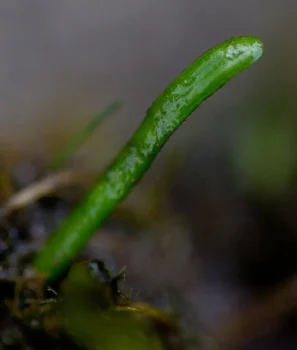
Eastern Grasswort: A Native Aquatic Gem for Water Gardens
If you’re looking to add authentic native charm to your water garden or pond edge, eastern grasswort (Lilaeopsis chinensis) might just be the perfect plant you never knew you needed. This unassuming little perennial may not win any flashy flower contests, but it’s a true workhorse when it comes to creating natural-looking aquatic landscapes.
What Is Eastern Grasswort?
Eastern grasswort is a native North American perennial that belongs to the forb family – essentially, it’s an herbaceous plant without woody stems. Don’t let the grasswort name fool you; while it does have thin, grass-like leaves, it’s not actually a grass at all. This low-growing plant forms dense, carpet-like mats that hug the ground (or water surface) with slender, linear foliage.
You might also see this plant listed under its botanical synonym, Lilaeopsis lineata, in older gardening references.
Where Does Eastern Grasswort Naturally Grow?
This native beauty has quite an impressive range across eastern North America. You’ll find it naturally growing from Nova Scotia down through the southeastern United States, including Alabama, Connecticut, Delaware, Florida, Georgia, Louisiana, Maine, Maryland, Massachusetts, Mississippi, New Hampshire, New Jersey, New York, North Carolina, Rhode Island, South Carolina, Texas, and Virginia.
- Species observed
- No observations
Why Consider Eastern Grasswort for Your Garden?
Here’s where eastern grasswort really shines – it’s perfectly adapted for wet conditions. In fact, it’s classified as an obligate wetland plant, meaning it almost always occurs in wetlands in the wild. This makes it an excellent choice for:
- Water garden borders and pond margins
- Bog gardens and rain gardens
- Natural swimming pool edges
- Stream banks and wet meadow areas
- Any persistently moist to submerged planting area
As a native plant, eastern grasswort supports local ecosystems and requires minimal intervention once established. It’s hardy in USDA zones 3-9, making it suitable for most temperate North American gardens.
What to Expect: Size and Appearance
Eastern grasswort stays relatively small and unobtrusive, forming low-growing mats of thin, bright green foliage. The leaves are linear and grass-like, creating a fine-textured appearance that works beautifully as a groundcover in wet areas. During the growing season, you might notice tiny white flowers, though they’re quite small and not particularly showy.
This plant spreads by runners, gradually expanding to form colonies – perfect for naturalizing pond edges or filling in wet garden spaces.
Growing Eastern Grasswort Successfully
The good news is that if you can provide the right growing conditions, eastern grasswort is remarkably easy to care for. Here’s what it needs:
Light Requirements
Eastern grasswort thrives in full sun to partial shade conditions. It’s quite adaptable to different light levels, though it may grow more vigorously with adequate sunlight.
Water and Soil Needs
This is where eastern grasswort gets specific – it absolutely must have constantly moist to wet soil, or it can even grow partially submerged. Think bog-like conditions or shallow water edges. Regular garden soil that dries out will not work for this plant.
Planting Tips
- Plant in spring after the last frost
- Space plants about 6-8 inches apart if you want quick coverage
- Ensure the planting area stays consistently moist or wet
- Consider planting in containers that can be submerged if your water levels fluctuate
Maintenance
Once established, eastern grasswort requires minimal care. It will spread naturally by runners, so you may need to divide it occasionally if it becomes too aggressive for your space. Otherwise, just enjoy watching it create natural-looking wet meadow or pond-edge habitats.
Is Eastern Grasswort Right for Your Garden?
Eastern grasswort is perfect for gardeners who have wet areas they want to naturalize, or those creating water features and bog gardens. It’s not the plant for traditional perennial borders or dry garden spaces – this one really needs its feet wet!
If you’re working on a native plant garden, rain garden, or any kind of water feature, eastern grasswort offers authentic regional character while providing valuable habitat for local wildlife. Just remember: wet conditions aren’t negotiable with this plant, so make sure you can provide the consistently moist environment it craves.
For those lucky enough to have naturally wet areas in their landscape, eastern grasswort offers a low-maintenance, native solution that will look like it’s always belonged there – because in many ways, it has.