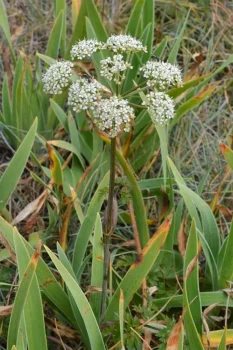
Eastern Hemlockparsley: A Rare Native Gem for Your Garden
If you’re looking to add a touch of delicate beauty to your native plant garden while supporting conservation efforts, eastern hemlockparsley (Conioselinum chinense) might just be the perfect addition. This charming perennial herb brings understated elegance to any landscape, though it comes with some important considerations for responsible gardening.
What is Eastern Hemlockparsley?
Eastern hemlockparsley is a native North American perennial that belongs to the carrot family. Don’t let the name fool you – it’s not related to hemlock trees at all! This herbaceous plant grows as a forb, meaning it’s a non-woody vascular plant that dies back to the ground each winter and returns from its roots in spring.
Standing 1-3 feet tall, this graceful plant produces clusters of tiny white flowers arranged in compound umbels that dance above delicate, fernlike foliage. The overall effect is quite charming – like nature’s own version of baby’s breath, but with much more ecological value.
Where Does It Come From?
Eastern hemlockparsley is native to a surprisingly wide range across eastern North America. You’ll find it naturally growing from southeastern Canada (including New Brunswick, Nova Scotia, Ontario, Prince Edward Island, Quebec, Newfoundland, and Labrador) down through much of the eastern United States. Its range extends from Maine south to North Carolina and Alabama, and west to Minnesota, Nebraska, and Missouri.
- Species observed
- No observations
A Word of Caution: Rarity Status
Here’s where things get serious – eastern hemlockparsley is considered endangered in New Jersey, where it holds a rarity status of S1 (critically imperiled). This means if you’re interested in growing this plant, it’s absolutely crucial to source it responsibly. Never collect seeds or plants from wild populations, and only purchase from reputable native plant nurseries that propagate their own stock.
Growing Conditions and Care
The good news is that eastern hemlockparsley isn’t particularly fussy once you understand its preferences. This plant has a facultative wetland status across all regions where it grows, meaning it usually prefers moist conditions but can tolerate drier spots too.
Ideal Growing Conditions:
- Moist, rich, well-draining soil with plenty of organic matter
- Partial shade to full sun (though it appreciates some afternoon shade in hotter climates)
- Cool, humid conditions
- USDA hardiness zones 3-7
- Consistent moisture, especially during dry spells
Planting and Care Tips:
- Start from seed, as this plant can be difficult to transplant once established
- Seeds require cold stratification for 60-90 days before planting
- Sow seeds in fall for natural winter stratification
- Keep soil consistently moist but not waterlogged
- Mulch around plants to retain moisture and suppress weeds
- No fertilizer needed – rich, organic soil is sufficient
Garden Design and Landscape Use
Eastern hemlockparsley shines in naturalized settings and native plant gardens. Its delicate texture makes it an excellent companion for other native wildflowers and provides a soft, airy contrast to bolder plants. Consider using it in:
- Woodland gardens alongside native ferns and wildflowers
- Rain gardens where its wetland tolerance is an asset
- Native plant borders for texture and movement
- Naturalized meadow edges
- Conservation gardens focused on rare native species
Wildlife and Pollinator Benefits
Those tiny white flowers might look modest, but they’re actually pollinator magnets! The small, accessible blooms attract a variety of beneficial insects, including native bees, flies, and other small pollinators. As a member of the carrot family, it’s also likely to host specialized insects that depend on plants in this family.
Should You Plant Eastern Hemlockparsley?
If you can source it responsibly and provide the right growing conditions, eastern hemlockparsley makes a wonderful addition to native plant gardens. Its rarity status actually makes it more valuable to grow – every garden that successfully cultivates this species helps preserve genetic diversity and potentially provides seed for future conservation efforts.
However, please remember: only purchase from reputable sources, never collect from the wild, and consider sharing seeds with other native plant enthusiasts to help spread this beautiful species responsibly.
Eastern hemlockparsley may be small and understated, but it represents something much larger – our connection to North America’s native plant heritage and our responsibility to protect it for future generations. Plus, those delicate white flowers swaying in the breeze will bring a special kind of joy to your garden that you just can’t get from run-of-the-mill plants!