Eastern Mojave Buckwheat: A Desert Beauty for Water-Wise Gardens
If you’re looking to create a stunning, low-maintenance landscape that celebrates the natural beauty of the American Southwest, Eastern Mojave buckwheat (Eriogonum fasciculatum var. foliolosum) deserves a spot on your must-have plant list. This remarkable native shrub proves that drought-tolerant doesn’t have to mean boring – it’s a true gem that brings both beauty and ecological value to your garden.
Meet the Eastern Mojave Buckwheat
Eastern Mojave buckwheat is a perennial shrub that’s perfectly adapted to life in some of North America’s most challenging environments. As a multi-stemmed woody plant, it typically stays under 13-16 feet in height, though in garden settings you can expect a more modest, manageable size that’s perfect for residential landscapes.
This hardy native calls the lower 48 states home, specifically thriving in Arizona and California’s desert regions. It’s a true child of the Mojave Desert, evolved to handle intense heat, minimal rainfall, and poor soils that would challenge many other plants.
- Species observed
- No observations
Why You’ll Love This Desert Native
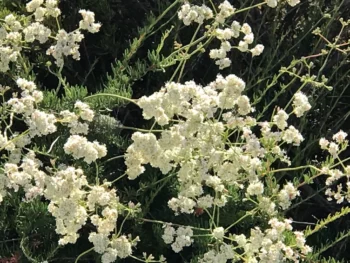
Eastern Mojave buckwheat isn’t just tough – it’s genuinely attractive. From spring through fall, the plant produces dense clusters of small flowers that start white and often develop lovely pinkish tones as they age. These blooms create a cloud-like effect that’s simply magical against the plant’s fine-textured, needle-like gray-green foliage.
The shrub naturally grows into a compact, rounded form that provides excellent structure in the landscape. Its fine texture creates beautiful contrast when paired with broader-leafed desert plants, making it a designer favorite for creating visual interest in water-wise gardens.
Perfect for Pollinators and Wildlife
Here’s where Eastern Mojave buckwheat really shines – it’s a pollinator magnet! The abundant flowers attract bees, butterflies, and a host of beneficial insects throughout the growing season. If you’re looking to support local wildlife while creating a beautiful garden, this plant delivers on both fronts.
Garden Design and Landscape Uses
Eastern Mojave buckwheat excels in several landscape roles:
- Border plantings that need minimal maintenance
- Mass plantings for dramatic seasonal color displays
- Specimen plants in rock gardens or desert landscapes
- Foundation plantings that won’t outgrow their space
- Wildlife gardens focused on native pollinators
This versatile shrub is ideally suited for drought-tolerant landscapes, desert gardens, xeriscape designs, and native plant gardens. It’s particularly valuable in areas where water conservation is a priority.
Growing Eastern Mojave Buckwheat Successfully
The secret to success with Eastern Mojave buckwheat is understanding its desert origins. This plant thrives in USDA hardiness zones 8-10 and has some very specific preferences:
Light Requirements: Full sun is absolutely essential. This plant evolved in the open desert and needs intense light to perform its best.
Soil Needs: Well-draining sandy or rocky soil is crucial. The plant cannot tolerate standing water or heavy clay soils. If your soil holds water, consider building raised beds or mounds to improve drainage.
Water Requirements: Once established, Eastern Mojave buckwheat is extremely drought tolerant and requires minimal supplemental watering. Overwatering is actually more harmful than underwatering for this desert native.
Planting and Care Tips
For the best results, plant Eastern Mojave buckwheat in fall or early spring when temperatures are moderate. This gives the plant time to establish its root system before facing extreme summer heat.
After planting, water regularly for the first season to help establishment, then gradually reduce watering frequency. Once fully established (usually after the first year), this plant can survive on natural rainfall in most of its native range.
Light pruning after the flowering period can help maintain the plant’s attractive rounded shape, but heavy pruning isn’t necessary or recommended.
Is Eastern Mojave Buckwheat Right for Your Garden?
If you’re gardening in zones 8-10 and want a beautiful, low-maintenance shrub that supports local wildlife while conserving water, Eastern Mojave buckwheat is an excellent choice. It’s particularly perfect for gardeners who appreciate the subtle beauty of desert plants and want to create landscapes that work with, rather than against, their local climate.
This native beauty proves that sustainable gardening doesn’t require sacrificing aesthetics – it’s a win-win plant that brings both natural beauty and ecological benefits to your landscape.