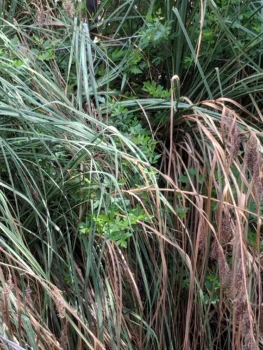
Eastern Poison Ivy: A Native Plant You Definitely Don’t Want in Your Garden
Let’s talk about a native plant that’s probably already familiar to you – and not in a good way. Eastern poison ivy (Toxicodendron radicans eximium) is one of those plants that earns respect through fear rather than admiration. While it’s technically native to the lower 48 states and serves important ecological functions, this is one native plant that most gardeners should actively avoid cultivating.
What Exactly Is Eastern Poison Ivy?
Eastern poison ivy is a perennial plant that belongs to the cashew family. Despite what you might expect from its notorious reputation, this particular variety is classified as an herbaceous perennial rather than the woody vine most people associate with poison ivy. It’s native to North America and has adapted to thrive in a wide range of conditions.
You might also see this plant referenced by its scientific synonyms, including Rhus toxicodendron L. var. eximia or Toxicodendron radicans var. eximium, as botanical classifications have shifted over time.
Where Does It Grow?
Currently documented in Texas, eastern poison ivy likely has a broader range throughout parts of the southern United States. As a native species, it has co-evolved with local ecosystems and wildlife over thousands of years.
- Species observed
- No observations
Why You Should Think Twice (Or Three Times) About This Plant
Here’s the thing about poison ivy – while it’s undeniably native and ecologically valuable, it’s also incredibly problematic for human health. The plant contains urushiol, an oily compound that causes severe allergic reactions in about 85% of people. We’re talking about:
- Painful, itchy rashes that can last weeks
- Potential for serious complications if smoke from burning plants is inhaled
- Risk to pets and family members
- Difficulty in safe removal once established
The Ecological Bright Side
Before you write off poison ivy entirely, it’s worth noting that this plant does serve important ecological functions. Birds rely on poison ivy berries as a food source, especially during fall and winter months. The dense growth can also provide nesting sites and cover for various wildlife species. However, these benefits don’t outweigh the risks for most residential gardens.
If You Encounter Eastern Poison Ivy
Rather than planting poison ivy, your energy is better spent learning to identify and safely manage it if it appears uninvited in your landscape. Remember the old saying: leaves of three, let it be. If you discover poison ivy on your property, consider hiring professionals for removal, especially for large infestations.
Native Alternatives That Won’t Make You Miserable
If you’re looking for native plants that provide similar wildlife benefits without the human health risks, consider these Texas-friendly alternatives:
- Native elderberry species for bird-attracting berries
- Virginia creeper for similar climbing coverage (though this can also cause mild skin irritation in sensitive individuals)
- Native honeysuckle varieties for wildlife habitat
- Local native shrubs that provide berries and nesting sites
The Bottom Line
Eastern poison ivy might be native, and it certainly has its place in natural ecosystems, but intentionally adding it to your garden is like inviting trouble over for dinner. There are countless other native plants that can provide ecological benefits without putting your family’s comfort and safety at risk. Save your gardening energy for plants that you can actually enjoy being around!
Sometimes being a responsible native plant gardener means knowing which natives to appreciate from a distance. Eastern poison ivy definitely falls into that category.