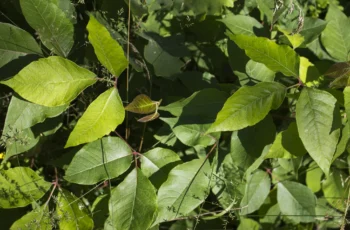
Eastern Poison ivy: The Native Plant You Definitely Don’t Want to Cultivate
Let’s talk about a native plant that’s probably already in your neighborhood, whether you invited it or not. Eastern poison ivy (Toxicodendron radicans) is one of those plants that every gardener needs to know about – not because you want to grow it, but because you definitely want to avoid it!
What Is Eastern Poison Ivy?
Eastern poison ivy is a perennial native plant that’s found throughout much of North America. Despite its notorious reputation, it’s actually a legitimate part of our native ecosystem. This hardy plant grows as a forb herb, meaning it’s a non-woody vascular plant that can live for many years.
You might also see it referenced in botanical literature under the synonym Toxicodendron radicans var. negundo, but regardless of what scientists call it, the important thing is learning to recognize it.
Where Does Eastern Poison Ivy Grow?
This adaptable native has quite an impressive range! Eastern poison ivy naturally occurs across Canada and the lower 48 states, with confirmed populations in Arkansas, Ontario, Quebec, District of Columbia, Illinois, Indiana, Iowa, Kansas, Kentucky, Maryland, Michigan, Minnesota, Missouri, Nebraska, New York, Ohio, Oklahoma, Pennsylvania, South Dakota, Tennessee, Texas, Virginia, West Virginia, and Wisconsin.
- Species observed
- No observations
Why You Shouldn’t Plant Eastern Poison Ivy
Here’s the thing – while eastern poison ivy is technically native and does provide some ecological benefits, it’s absolutely not recommended for intentional cultivation in home gardens. The reason is simple: it contains urushiol, an oil that causes severe allergic reactions in most people.
The classic symptoms include:
- Itchy, red rashes
- Blisters and swelling
- Burning sensations
- Long-lasting discomfort
Ecological Value (From a Safe Distance)
Before you completely write off this plant, it’s worth noting that eastern poison ivy does serve important ecological functions. The small flowers provide nectar for various insects, and the berries are eaten by over 60 species of birds. Many wildlife species can enjoy poison ivy without the allergic reactions that plague humans.
Identification Tips
The golden rule for poison ivy identification is leaves of three, let it be! Eastern poison ivy features:
- Compound leaves with three leaflets
- Variable leaf shapes (can be lobed or smooth-edged)
- Climbing or trailing growth habit
- Small, greenish-white flowers in spring
- White or gray berries in fall
- Beautiful fall colors (from a distance!)
Growing Conditions (If It Shows Up Uninvited)
Eastern poison ivy is remarkably adaptable, which is part of what makes it so successful. It thrives in USDA hardiness zones 3-10 and tolerates:
- Full sun to deep shade
- Various soil types
- Dry to moist conditions
- Urban pollution
Management Rather Than Cultivation
Instead of planting poison ivy, focus on managing it if it appears naturally on your property. Always wear protective clothing, including long sleeves, pants, and gloves when dealing with poison ivy. Consider professional removal for large infestations.
Native Alternatives to Consider
If you’re looking for native plants that provide similar ecological benefits without the allergenic properties, consider:
- Wild ginger for groundcover
- Native honeysuckles for wildlife food
- Virginia creeper for climbing habit (though it can cause mild skin irritation too)
The Bottom Line
Eastern poison ivy is a fascinating native plant that plays an important role in our ecosystems. However, it’s definitely not a plant for the home garden. Appreciate it from afar, learn to identify it for your safety, and focus your native plant gardening efforts on species that won’t send you running for the calamine lotion!
Remember: when it comes to poison ivy, the best gardening advice is simply to leave it alone and let it fulfill its ecological role in wild spaces where humans are less likely to encounter it accidentally.