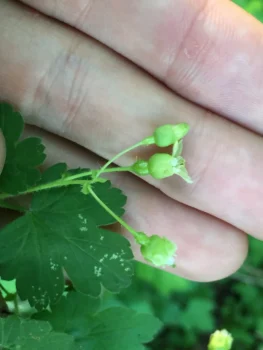
Eastern Prickly Gooseberry: A Thorny Native Treasure for Shade Gardens
If you’re looking for a native shrub that can handle shade, feed wildlife, and maybe even provide you with a tasty (if somewhat challenging) harvest, meet the eastern prickly gooseberry (Ribes cynosbati). This unassuming native might not win any beauty contests, but it’s a workhorse in the right garden setting.
What Is Eastern Prickly Gooseberry?
Eastern prickly gooseberry is a perennial shrub that’s been quietly doing its thing in North American forests for centuries. As its common name suggests, this plant comes armed with thorns – nature’s way of protecting those precious berries from hungry critters (and unsuspecting gardeners). The shrub typically grows as a multi-stemmed woody plant, usually staying under 13-16 feet tall, though most specimens you’ll encounter are much more modest in size.
Where Does It Grow Naturally?
This native gem has quite an impressive range across eastern North America. You’ll find eastern prickly gooseberry growing naturally from southeastern Canada down through much of the eastern United States. Its range includes states from Maine to Georgia and extends west into the Great Plains, covering territories like Ontario, Quebec, Alabama, Arkansas, Connecticut, Georgia, Illinois, Indiana, Iowa, Kentucky, Maine, Maryland, Massachusetts, Michigan, Minnesota, Missouri, New Hampshire, New Jersey, New York, North Carolina, North Dakota, Ohio, Oklahoma, Pennsylvania, South Carolina, South Dakota, Tennessee, Vermont, Virginia, West Virginia, and Wisconsin.
- Species observed
- No observations
A Note About Rarity
Before you rush out to plant this native beauty, there’s something important to know: eastern prickly gooseberry is considered rare in several states. In Alabama, it has a rarity status of S1S2, in Arkansas it’s S2S3, and in New Jersey it’s listed as S1 in the Highlands region. If you live in these areas and want to add this plant to your garden, make sure you source it responsibly from reputable native plant nurseries rather than collecting from the wild.
Why Grow Eastern Prickly Gooseberry?
You might be wondering why anyone would want a thorny shrub in their garden. Here are some compelling reasons:
- Shade tolerance: Unlike many fruiting plants, eastern prickly gooseberry actually prefers partial to full shade, making it perfect for woodland gardens.
- Native wildlife support: The early spring flowers provide nectar for native bees, flies, and other small pollinators when few other food sources are available.
- Edible berries: Despite the thorns, the purple berries are edible and can be used in jams and jellies (with careful handling!).
- Low maintenance: Once established, this native requires minimal care.
- Seasonal interest: Spring flowers, summer berries, and attractive fall foliage provide multi-season appeal.
Growing Conditions and Care
Eastern prickly gooseberry is refreshingly undemanding. Here’s what it needs to thrive:
- Light: Partial shade to full shade (it actually prefers shade!)
- Soil: Moist but well-draining soil; tolerates various soil types
- Hardiness: USDA zones 3-7
- Water needs: Moderate moisture; established plants are fairly drought tolerant
Wetland Considerations
Eastern prickly gooseberry is quite adaptable when it comes to moisture levels. In most regions, it’s classified as Facultative Upland, meaning it usually grows in non-wetland areas but can tolerate some wetness. In the Midwest, it’s considered Facultative, indicating it can handle both wet and dry conditions equally well.
Best Garden Uses
This native shrub shines in:
- Woodland gardens and naturalized areas
- Wildlife habitat gardens
- Shade gardens where other fruiting plants struggle
- Edible landscapes (for the adventurous gardener)
- Understory plantings beneath larger trees
Planting and Care Tips
Getting your eastern prickly gooseberry established is straightforward:
- Plant in spring or fall when temperatures are moderate
- Dig a hole as deep as the root ball and twice as wide
- Apply a 2-3 inch layer of organic mulch around the base
- Water regularly the first year, then only during extended dry periods
- Minimal pruning needed – just remove dead or damaged branches
- Wear thick gloves when handling due to thorns!
The Bottom Line
Eastern prickly gooseberry might not be the flashiest plant in the native garden, but it’s a reliable performer that fills an important ecological niche. If you have a shady spot that needs a low-maintenance native shrub, and you don’t mind working around a few thorns, this could be the perfect addition to your landscape. Just remember to source it responsibly, especially if you live in states where it’s considered rare.
Sometimes the best garden plants are the ones that quietly do their job without demanding attention – and eastern prickly gooseberry fits that bill perfectly.