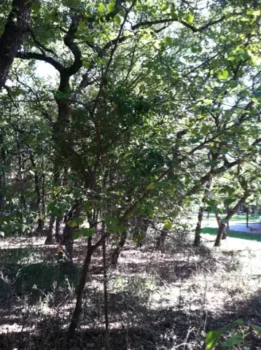
Eastern Redbud: A Native Spring Showstopper for Your Garden
If you’re looking for a tree that announces spring’s arrival with a spectacular floral display, look no further than the eastern redbud (Cercis canadensis). This delightful native tree is like nature’s way of saying winter is officially over! with its brilliant purple-pink blooms that appear before the leaves even think about showing up.
What Makes Eastern Redbud Special?
Eastern redbud is a true North American native, naturally occurring across a vast range from southern Ontario down to northern Florida and stretching west to Nebraska and eastern Texas. You’ll find this beauty growing wild in states including Alabama, Arkansas, Connecticut, Delaware, Florida, Georgia, Illinois, Indiana, Iowa, Kansas, Kentucky, Louisiana, Maryland, Massachusetts, Michigan, Mississippi, Missouri, Nebraska, New Jersey, New Mexico, New York, North Carolina, Ohio, Oklahoma, Pennsylvania, South Carolina, Tennessee, Texas, Virginia, West Virginia, and Wisconsin, plus Ontario, Canada.
- Species observed
- No observations
This perennial woody plant typically grows as a multi-stemmed shrub or small tree, though it can reach up to 30 feet tall at maturity under ideal conditions. Don’t worry about waiting forever to enjoy it – while it has a slow to moderate growth rate, reaching about 25 feet in 20 years, the payoff is worth the patience.
Why Your Garden (and Local Wildlife) Will Love It
Eastern redbud is basically the perfect team player for your landscape. Here’s why it deserves a spot in your yard:
- Early pollinator support: Those gorgeous spring flowers provide crucial nectar when few other plants are blooming, making it a lifeline for hungry bees and butterflies emerging from winter
- Four-season interest: Purple-pink spring flowers, heart-shaped summer foliage, golden fall color, and interesting seed pods for winter appeal
- Versatile design element: Works beautifully as a specimen tree, in naturalized areas, or as part of a woodland garden
- Native benefits: Supports local ecosystems and wildlife that have evolved alongside this plant
Perfect Growing Conditions
One of the best things about eastern redbud is that it’s pretty easygoing once established. Here’s what it prefers:
- Hardiness: Thrives in USDA zones 4-9, tolerating temperatures down to -28°F
- Soil: Adaptable to medium and fine-textured soils with pH between 5.0-7.9
- Moisture: Low water needs once established, with high drought tolerance
- Sun exposure: Shade tolerant but can handle full sun
- Wetland status: Generally prefers upland sites and doesn’t like wet feet
The tree prefers well-drained soils and actually performs better in drier conditions than soggy ones. It’s quite adaptable to different soil types, though it struggles with very coarse, sandy soils.
Planting and Care Tips
Getting your eastern redbud off to a good start is pretty straightforward:
- Timing: Plant in spring or fall when temperatures are moderate
- Location: Choose a spot with good drainage – avoid areas that stay wet
- Spacing: Allow plenty of room for its mature size (up to 30 feet tall and wide)
- Establishment: Water regularly the first year, then let natural rainfall take over
- Maintenance: Minimal pruning needed; remove dead or damaged branches as needed
Seeds can be planted (there are about 18,000 seeds per pound!), but they need cold stratification to germinate. You can also propagate through cuttings or purchase container-grown plants, which are routinely available from nurseries.
Is Eastern Redbud Right for Your Garden?
Eastern redbud is an excellent choice if you want a low-maintenance native tree that provides multi-season interest and supports local wildlife. It’s particularly perfect for:
- Native plant gardens
- Woodland or naturalistic landscapes
- Areas needing spring color
- Pollinator-friendly gardens
- Spots with challenging growing conditions
Just keep in mind its relatively short lifespan and slow growth rate. But honestly, the early spring flower show alone makes this tree worth the wait. When everything else in your garden is still sleeping off winter, your eastern redbud will be putting on a show that’ll make your neighbors stop and stare.
So if you’re ready to add a true native beauty that’s both gorgeous and beneficial to local wildlife, eastern redbud might just be the perfect addition to your landscape palette.