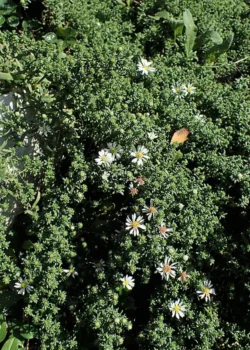
Eastern Showy Aster: A Late-Season Native Beauty for Your Garden
If you’re looking to extend your garden’s blooming season well into fall while supporting native pollinators, the eastern showy aster (Eurybia spectabilis) might just be your new favorite perennial. This charming native wildflower brings a splash of purple-blue color to the landscape when most other plants are calling it quits for the year.
What Makes Eastern Showy Aster Special?
Eastern showy aster is a true native gem, naturally occurring across 13 eastern states from Massachusetts down to Georgia and as far west as Alabama. This perennial forb – basically a fancy term for a non-woody flowering plant – has been gracing American landscapes long before European settlers arrived with their garden catalogs.
You might also encounter this plant listed under its old scientific name, Aster spectabilis, in older gardening references. The botanical world can be a bit like a witness protection program sometimes – plants get new identities, but their beauty remains the same!
- Species observed
- No observations
Why Your Garden Will Thank You
This native charmer earns its showy nickname with clusters of vibrant purple-blue daisy-like flowers that appear in late summer to early fall. When most gardens are starting to look tired, eastern showy aster is just hitting its stride, creating a spectacular finale to the growing season.
The plant typically reaches 1-3 feet in height and spreads slowly to form attractive colonies over time. Its relatively compact size makes it perfect for fitting into smaller garden spaces while still providing that wow factor you’re after.
A Pollinator’s Paradise
Here’s where eastern showy aster really shines – it’s like hosting a farewell party for butterflies, bees, and other beneficial insects before winter arrives. The late-season blooms provide crucial nectar when other food sources are becoming scarce, making your garden a vital pitstop for migrating butterflies and a last hurrah for local bee populations.
Perfect Garden Companions
Eastern showy aster feels most at home in naturalized areas, native plant gardens, and woodland edges. It’s the perfect plant for those spots where you want something beautiful but not too fussy – think of it as the reliable friend who always shows up looking great without much effort.
This aster pairs beautifully with other native fall bloomers and grasses, creating stunning combinations that look like nature designed them herself (because, well, she kind of did).
Growing Conditions That Make It Happy
One of the best things about eastern showy aster is its easygoing nature. It thrives in USDA hardiness zones 4-8, adapting to a range of conditions:
- Soil: Well-drained soils of various types
- Light: Partial shade to full sun (though it appreciates some afternoon shade in hotter climates)
- Water: Drought tolerant once established, but appreciates occasional watering during dry spells
- Maintenance: Refreshingly low – this isn’t a plant that demands constant attention
Planting and Care Tips
Getting eastern showy aster established in your garden is wonderfully straightforward:
- Plant in spring or early fall when temperatures are moderate
- Space plants 18-24 inches apart to allow for natural spreading
- Water regularly the first year while roots establish
- Divide clumps every 3-4 years in early spring to maintain vigor
- Deadhead spent flowers if you want to prevent self-seeding, or leave them for the birds to enjoy
A Note About Responsible Sourcing
Before you rush out to find this beauty, there’s something important to know: eastern showy aster has a rare status (S2) in Alabama, meaning it’s uncommon in that state. If you’re gardening anywhere within its native range, make sure you’re purchasing plants from reputable nurseries that sell ethically propagated specimens rather than wild-collected ones. This helps protect wild populations while still allowing you to enjoy this lovely native in your own garden.
The Bottom Line
Eastern showy aster is one of those plants that makes you wonder why more gardeners don’t grow it. It’s beautiful, beneficial to wildlife, low-maintenance, and provides that sought-after late-season color that extends your garden’s interest well into fall. Plus, there’s something deeply satisfying about growing a plant that truly belongs in your local ecosystem.
If you’re ready to give your fall garden a native makeover and provide a valuable resource for local pollinators, eastern showy aster deserves a spot on your plant wish list. Your garden – and the butterflies – will thank you for it.