Eastern Swamp Saxifrage: A Native Wetland Wonder for Your Garden
If you’ve been searching for a native plant that thrives in those soggy, hard-to-plant areas of your yard, meet your new best friend: eastern swamp saxifrage (Saxifraga pensylvanica). This charming native perennial might have swamp in its name, but don’t let that fool you into thinking it’s not garden-worthy. This delightful forb brings both beauty and ecological value to wet areas where many other plants fear to tread.
What is Eastern Swamp Saxifrage?
Eastern swamp saxifrage is a perennial forb native to eastern North America. As a forb, it’s a non-woody plant that dies back to the ground each winter and returns from its roots each spring. You might also encounter this plant listed under various scientific synonyms, including Micranthes pensylvanica, but Saxifraga pensylvanica remains the accepted name.
Where Does It Naturally Grow?
This native beauty has quite an impressive range! Eastern swamp saxifrage naturally occurs across a wide swath of North America, from southeastern Canada down through much of the eastern United States. You’ll find it growing wild in states from Maine to North Carolina, and as far west as Saskatchewan, Manitoba, Minnesota, and Missouri. It’s also found in the Great Lakes region and throughout the Northeast and Mid-Atlantic states.
- Species observed
- No observations
Why Plant Eastern Swamp Saxifrage?
There are several compelling reasons to consider adding this native plant to your landscape:
- Solves wet soil problems: Those perpetually soggy spots in your yard that make other plants sulk? Eastern swamp saxifrage loves them!
- Native plant benefits: As a true native, it supports local ecosystems and requires no acclimation period
- Unique beauty: Dense clusters of small white flowers create an impressive display in late spring to early summer
- Low maintenance: Once established in the right conditions, it pretty much takes care of itself
- Pollinator support: The flowers attract various small pollinators, including flies and small native bees
What Does It Look Like?
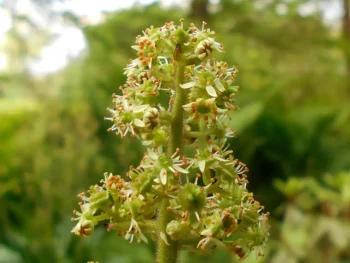
Eastern swamp saxifrage forms attractive basal rosettes of large, coarsely toothed leaves. But the real show begins in late spring when tall flowering stems emerge, topped with dense, showy clusters of small white flowers. The contrast between the bold foliage and delicate flower clusters creates a charming woodland aesthetic that feels both wild and refined.
Perfect Garden Situations
This plant shines in specific garden situations:
- Wetland and bog gardens: Its natural habitat preference makes it perfect for these specialty gardens
- Rain gardens: Excellent for areas designed to capture and filter runoff
- Woodland gardens: Thrives in the dappled shade and moist conditions of woodland settings
- Naturalized landscapes: Perfect for creating authentic native plant communities
- Problem wet areas: Turn that perpetually soggy corner into a feature!
Growing Conditions and Care
Eastern swamp saxifrage has some specific preferences, but they’re not difficult to meet if you understand its wetland nature:
- Moisture: Consistently moist to wet soil is essential – this plant can even tolerate standing water
- Light: Prefers partial shade to full shade; too much sun can stress it, especially if soil moisture fluctuates
- Soil: Thrives in organic-rich, mucky soils but adapts to various soil types as long as moisture is consistent
- Climate: Hardy in USDA zones 3-7, appreciating cooler conditions
Planting and Care Tips
Success with eastern swamp saxifrage comes down to getting the basics right:
- Timing: Plant in spring when soil can be worked
- Location selection: Choose your wettest, shadiest spots – areas that stay consistently moist year-round
- Soil preparation: If possible, add organic matter to improve soil structure, though it’s quite adaptable
- Watering: In its preferred wet locations, supplemental watering should rarely be necessary
- Maintenance: Very low maintenance once established – just let it do its thing!
Is Eastern Swamp Saxifrage Right for Your Garden?
This native beauty is perfect for gardeners who:
- Have wet, poorly-drained areas they want to transform
- Are creating native plant gardens or naturalized landscapes
- Want low-maintenance plants that don’t require constant attention
- Appreciate subtle, woodland-style beauty over flashy flowers
- Are working on rain gardens or wetland restoration projects
However, eastern swamp saxifrage might not be the best choice if you have only well-drained garden beds or are looking for plants that thrive in full sun and dry conditions.
The Bottom Line
Eastern swamp saxifrage proves that native plants can be both practical problem-solvers and beautiful garden additions. If you’ve got wet, shady areas that challenge other plants, this native perennial could be exactly what you need. It’s a testament to the idea that working with nature’s preferences, rather than against them, often leads to the most successful and sustainable gardens.
By choosing native plants like eastern swamp saxifrage, you’re not just solving landscape challenges – you’re creating habitat, supporting local ecosystems, and celebrating the natural heritage of your region. Now that’s what we call a win-win!