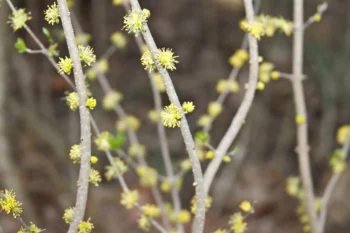
Eastern Swampprivet: Your Native Solution for Wet, Challenging Garden Spots
If you’ve got a soggy spot in your yard that seems impossible to plant, meet your new best friend: eastern swampprivet (Forestiera acuminata). This unassuming native shrub might not win any beauty contests, but it’s absolutely perfect for those tricky wet areas where other plants fear to tread.
What Exactly Is Eastern Swampprivet?
Eastern swampprivet is a hardy, multi-stemmed shrub that’s perfectly at home in America’s wetlands. Despite its name suggesting otherwise, this plant is completely native to the United States and has been thriving in our soggy soils long before European settlers arrived. It’s a perennial woody plant that typically stays under 13-16 feet tall, though it can reach up to 33 feet at maturity under ideal conditions.
This obligate wetland plant is found naturally across 15 states, stretching from Illinois down to Florida and west to Texas, including Alabama, Arkansas, Georgia, Indiana, Kansas, Kentucky, Louisiana, Mississippi, Missouri, Oklahoma, South Carolina, and Tennessee. Wherever you find it, you can bet the ground stays pretty wet most of the year.
- Species observed
- No observations
Why Would You Want to Plant Eastern Swampprivet?
Let’s be honest – eastern swampprivet isn’t going to stop traffic with its stunning blooms. The small, greenish flowers that appear in spring are pretty inconspicuous, and the black fruits that follow aren’t exactly showstoppers either. So why consider it for your landscape?
- Perfect for problem areas: Got a spot that stays wet and boggy? This is your plant.
- Native credentials: Supporting local ecosystems while solving drainage issues
- Low maintenance: Once established, it pretty much takes care of itself
- Wildlife value: Those early spring flowers provide nectar when pollinators need it most
- Erosion control: Great for stabilizing wet, sloping areas
- Shade tolerant: Works well under tree canopies where other shrubs struggle
What Kind of Garden Is This Right For?
Eastern swampprivet shines in naturalized landscapes and specialized garden situations. It’s perfect for:
- Rain gardens and bioswales
- Wetland restoration projects
- Native plant gardens
- Wildlife habitat areas
- Areas with poor drainage or seasonal flooding
- Understory plantings in wet woodlands
If you’re trying to create a formal, manicured garden, this probably isn’t your plant. But if you want to work with nature rather than against it, eastern swampprivet could be exactly what you need.
Growing Conditions: The Wetter, The Better
Here’s where eastern swampprivet gets picky – it absolutely must have consistent moisture. This isn’t a plant that tolerates drought at all. In fact, it’s classified as an obligate wetland species, meaning it almost always occurs in wetlands across its entire range.
Here’s what it needs to thrive:
- Moisture: High water needs – think consistently moist to wet soil
- Soil: Adaptable to fine and medium textured soils, but not coarse, sandy soils
- pH: Prefers slightly acidic to neutral conditions (6.0-8.0)
- Light: Shade tolerant, which makes it great for understory plantings
- Temperature: Hardy to about -18°F, suitable for USDA zones 6-9
- Soil tolerance: Handles poorly drained, anaerobic conditions that would kill most plants
Planting and Care Tips
The good news about eastern swampprivet is that once you get it established in the right conditions, it’s pretty self-sufficient. Here’s how to set it up for success:
Planting:
- Plant in consistently wet or frequently flooded areas
- Space plants 6-10 feet apart (700-1,700 plants per acre for mass plantings)
- Best planted as bare root stock or container plants
- Can be grown from seed, though germination may be slow and irregular
Care:
- Ensure adequate moisture – this is non-negotiable
- Minimal fertilization needed (medium fertility requirements)
- Expect moderate growth rate – it won’t rush to fill space
- Pruning is generally unnecessary unless you need to control size
- Watch for resprouting ability if damaged
The Bottom Line
Eastern swampprivet won’t win any Plant of the Year awards, but it’s an incredibly valuable native species for specific situations. If you have wet, challenging areas in your landscape and want to support local ecosystems with a truly native plant, this unassuming shrub deserves serious consideration. It’s living proof that sometimes the most useful plants aren’t the flashiest ones – they’re the ones that solve real problems while supporting the wildlife that depends on them.
Just remember: this is definitely a right plant, right place situation. Give eastern swampprivet the wet conditions it craves, and you’ll have a reliable, low-maintenance native that’s perfectly at home in your landscape.