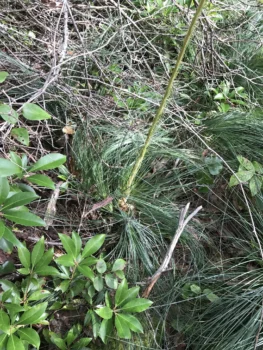
Eastern Turkeybeard: A Spectacular Native Wildflower Worth the Wait
If you’re looking for a show-stopping native plant that will have your neighbors asking What IS that amazing thing?, let me introduce you to eastern turkeybeard (Xerophyllum asphodeloides). This remarkable wildflower might just be the most dramatic native perennial you’ve never heard of – and once you see it in full bloom, you’ll understand why it’s worth every bit of patience it requires.
What Makes Eastern Turkeybeard Special
Eastern turkeybeard is a true native gem, naturally occurring across eleven states in the eastern United States, including Alabama, Delaware, Georgia, Kentucky, Maryland, New Jersey, North Carolina, South Carolina, Tennessee, Virginia, and West Virginia. This perennial forb (that’s botanist-speak for a non-woody flowering plant) creates an unforgettable garden moment when it sends up towering flower spikes that can reach an impressive 6 feet tall.
- Species observed
- No observations
The plant gets its quirky common name from its dense clusters of small, creamy white flowers that bloom atop tall stems, creating a plume-like appearance reminiscent of a turkey’s tail feathers. These spectacular flower spikes emerge from clumps of narrow, grass-like leaves that form attractive evergreen rosettes year-round.
A Word About Rarity and Responsible Gardening
Before we dive into growing tips, there’s something important to know: eastern turkeybeard is considered critically imperiled (S1 status) in Alabama and faces conservation concerns in other parts of its range. If you’re interested in adding this plant to your garden, please source it responsibly from reputable native plant nurseries that propagate their own stock rather than collecting from wild populations.
Why You’ll Love (and Maybe Hate) Eastern Turkeybeard
The Good News:
- Creates an absolutely stunning focal point when in bloom
- Attracts bees, butterflies, and other beneficial pollinators
- Drought tolerant once established
- Evergreen foliage provides year-round interest
- Perfect for naturalistic and woodland gardens
- Truly native – supports local ecosystems
The Reality Check:
- Extremely slow growing – may take 5-7 years to first bloom
- Can be challenging to establish
- Limited availability from nurseries
- Not for impatient gardeners!
Growing Eastern Turkeybeard Successfully
If you’re willing to play the long game, eastern turkeybeard can thrive in USDA hardiness zones 5-9. Here’s what this patient beauty needs:
Light Requirements: Partial shade to full sun, though it appreciates some afternoon shade in hotter climates.
Soil Needs: Well-draining, acidic soil is essential. This plant absolutely cannot tolerate wet feet or alkaline conditions. Sandy or rocky soils work well.
Water Wisdom: Once established, eastern turkeybeard is quite drought tolerant. Water regularly during the first year, then back off – overwatering is more harmful than drought.
Planting and Care Tips
- Plant in spring or fall when temperatures are moderate
- Choose your location carefully – this plant doesn’t like to be moved once established
- Mulch lightly around the base but keep mulch away from the crown
- Be patient with establishment – growth is glacially slow the first few years
- Don’t fertilize heavily; this plant prefers lean conditions
- Allow flower heads to go to seed if you want to try growing more plants naturally
Design Ideas and Garden Companions
Eastern turkeybeard works beautifully as a specimen plant in woodland gardens or naturalistic landscapes. Its dramatic height and form make it perfect for creating vertical interest in native plant gardens. Pair it with other eastern natives like wild bergamot, purple coneflower, or native azaleas for a stunning regional plant community.
The grass-like foliage blends nicely with ornamental grasses and ferns, while the spectacular flower spikes create a perfect backdrop for lower-growing wildflowers.
The Bottom Line
Eastern turkeybeard isn’t for every gardener or every garden. It requires patience, the right growing conditions, and a commitment to responsible sourcing. But for those willing to wait and provide proper care, this native treasure offers rewards that few other plants can match. When that first magnificent flower spike finally appears, towering above your garden like a natural exclamation point, you’ll understand why some gardeners consider eastern turkeybeard the holy grail of native wildflowers.
Just remember: good things come to those who wait – and in the case of eastern turkeybeard, they come to those who wait a really, really long time!