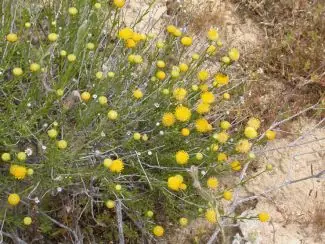
Eastwoodia: California’s Mysterious Native Shrub
If you’re on the hunt for truly unique native plants, eastwoodia might just be the botanical mystery you’ve been searching for. This California native shrub belongs to a genus that’s so under-the-radar, it’s practically playing hide-and-seek with gardeners and botanists alike.
What Exactly Is Eastwoodia?
Eastwoodia is a perennial shrub that calls California home. Like most shrubs, it’s a multi-stemmed woody plant that typically stays under 13-16 feet tall, though it can occasionally stretch taller or sport just a single stem depending on where it’s growing. Think of it as nature’s way of keeping things flexible.
Where Does It Grow?
This native beauty is found exclusively in California, making it a true Golden State original. As a plant that’s native to the lower 48 states, eastwoodia has been quietly doing its thing in California’s diverse landscapes long before any of us showed up with our garden gloves and grand landscaping plans.
- Species observed
- No observations
The Challenge: Limited Information
Here’s where things get interesting (and a bit frustrating): eastwoodia is one of those plants that seems to have flown under everyone’s radar. While we know it’s a California native shrub, details about its specific growing requirements, appearance, and garden performance are surprisingly scarce in common gardening resources.
Should You Plant Eastwoodia?
The honest answer? It’s complicated. Here’s what we’re working with:
- The Good: It’s a true California native, which means it’s naturally adapted to local conditions and should support local ecosystems
- The Challenge: Without clear information about its growing requirements, appearance, or availability, it’s tough to recommend for most home gardens
- The Reality: You might have trouble even finding this plant at nurseries
Growing Tips (What We Know)
Since eastwoodia is a California native shrub, we can make some educated guesses about its preferences:
- As a native, it likely prefers conditions similar to its natural habitat
- Being a perennial shrub, it should come back year after year once established
- California natives often prefer well-draining soil and can handle dry periods
A Better Alternative?
Given the limited information available about eastwoodia, you might want to consider other well-documented California native shrubs that offer similar benefits with more reliable growing information. Plants like ceanothus, manzanita, or California lilac provide proven beauty, wildlife support, and easier care instructions.
The Bottom Line
Eastwoodia represents one of those fascinating plant mysteries that reminds us how much we still don’t know about our native flora. While it might intrigue the most dedicated native plant enthusiasts, most gardeners will find better success with more readily available and well-documented California natives.
If you’re determined to track down eastwoodia, your best bet is connecting with specialized native plant societies, botanical gardens, or university extension programs in California. They might have the inside scoop on this elusive shrub.