Eastwood’s Goldenbush: A Rare California Native Worth Protecting
If you’re passionate about native plants and conservation, Eastwood’s goldenbush might just capture your heart—and your sense of environmental stewardship. This charming California native, scientifically known as Ericameria fasciculata, is more than just a pretty face in the garden world. It’s a rare treasure that deserves our attention and protection.
What Makes Eastwood’s Goldenbush Special?
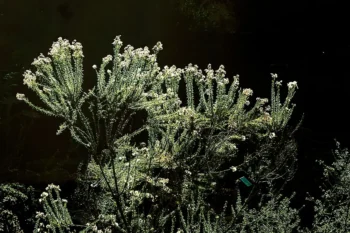
Eastwood’s goldenbush is a perennial shrub that typically grows as a multi-stemmed woody plant, usually staying under 13-16 feet tall. This native Californian has also been known by the scientific names Chrysoma fasciculata and Haplopappus eastwoodiae, reflecting its interesting taxonomic journey over the years.
What really sets this plant apart is its timing. While many native plants are winding down their show by late summer, Eastwood’s goldenbush is just getting started. Its clusters of bright yellow composite flowers burst into bloom from late summer through fall, creating a golden spectacle when many gardens are looking a bit tired.
Where Does It Call Home?
This golden beauty is exclusively Californian, with its natural range centered around the San Francisco Bay Area and surrounding regions. It’s what botanists call an endemic species—meaning it evolved in this specific area and exists nowhere else on Earth naturally.
- Species observed
- No observations
A Conservation Story Worth Knowing
Here’s where things get serious, folks. Eastwood’s goldenbush carries a Global Conservation Status of S2, which translates to Imperiled. This means the species is at risk due to extreme rarity, with typically only 6 to 20 known occurrences and somewhere between 1,000 to 3,000 remaining individuals in the wild.
What does this mean for gardeners? If you’re considering adding this plant to your landscape, you absolutely can—but it comes with responsibility. Only purchase plants from reputable native plant nurseries that can verify their stock comes from ethically propagated sources, not wild-collected specimens.
Garden Role and Design Potential
In the right setting, Eastwood’s goldenbush can be a showstopper. It’s perfectly suited for:
- Native California plant gardens
- Mediterranean-style landscapes
- Drought-tolerant xeriscapes
- Coastal gardens
- Wildlife and pollinator gardens
The plant’s silvery-green foliage provides year-round interest, while its late-season golden blooms offer crucial nectar when many other flowers have faded. This timing makes it incredibly valuable for supporting pollinators preparing for winter.
Growing Conditions and Care
Like many California natives, Eastwood’s goldenbush is beautifully adapted to Mediterranean-type climates. It thrives in USDA hardiness zones 9-10 and prefers:
- Full sun exposure
- Well-draining soil (poor to moderate fertility is fine)
- Minimal water once established
- Good air circulation
The key to success is mimicking its natural habitat—think sunny, well-drained slopes with infrequent but deep watering.
Planting and Care Tips
Fall planting gives this native the best start, allowing roots to establish during the cooler, wetter months. Here’s your care roadmap:
- Plant in fall for best establishment
- Water regularly the first year, then reduce to occasional deep watering
- Avoid heavy fertilization—these plants prefer lean conditions
- Prune lightly after flowering to maintain shape
- Mulch around the base to conserve moisture and suppress weeds
Supporting Pollinators and Wildlife
One of the most compelling reasons to grow Eastwood’s goldenbush is its value to local ecosystems. The late-season blooms attract bees, butterflies, and other native pollinators when few other food sources are available. This makes it a crucial plant for maintaining healthy pollinator populations through the transition into fall and winter.
Should You Plant Eastwood’s Goldenbush?
If you garden in coastal California within this plant’s native range, growing Eastwood’s goldenbush can be a meaningful act of conservation—but only when done responsibly. By choosing nursery-propagated plants and providing them with appropriate care, you’re helping to preserve genetic diversity and potentially contributing to conservation efforts.
However, if you’re outside its native range or can’t source plants responsibly, consider other native goldenbush species like Ericameria nauseosa (rubber rabbitbrush) or regional native alternatives that can provide similar late-season color and pollinator benefits.
Remember, every rare plant in our gardens represents both an opportunity and a responsibility. With Eastwood’s goldenbush, you’re not just growing a beautiful native—you’re becoming part of its conservation story.