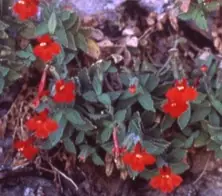
Eastwood’s Monkeyflower: A Rare Wetland Native Worth Knowing
Meet Eastwood’s monkeyflower (Mimulus eastwoodiae), a lesser-known native perennial that deserves a spot on every wetland gardener’s radar. This charming forb might not be the showiest plant in your garden center, but it has a special role to play in the right conditions.
What Makes Eastwood’s Monkeyflower Special?
As a native species to the lower 48 states, Eastwood’s monkeyflower has been quietly doing its thing in wetland areas across the American Southwest for countless years. This perennial forb (that’s gardener-speak for a non-woody flowering plant) belongs to a family known for their distinctive, almost face-like flowers that seem to grin at passersby.
Where Does It Call Home?
You’ll find this native beauty naturally occurring across five southwestern states: Arizona, Colorado, Nevada, New Mexico, and Utah. It has adapted to life in some pretty specific conditions across these regions, thriving in the wetland areas that dot the otherwise arid landscape.
- Species observed
- No observations
The Wetland Connection
Here’s where things get interesting: Eastwood’s monkeyflower is what we call an obligate wetland plant. In both the Arid West and Western Mountains regions, this means it almost always occurs in wetlands. Think of it as nature’s way of saying I need my feet wet! This isn’t a plant that will tolerate drought conditions – it’s evolved to love consistently moist to wet soils.
A Word About Rarity
Before you rush out to find this plant, here’s something important to know: Eastwood’s monkeyflower has a conservation status that suggests it’s not super common in the wild. This means if you’re interested in growing it, you’ll want to source your plants responsibly from reputable native plant nurseries rather than collecting from wild populations.
Should You Grow Eastwood’s Monkeyflower?
This plant might be perfect for you if:
- You have a wet area in your garden that needs native plants
- You’re creating a bog garden or wetland restoration project
- You live in the southwestern United States where it naturally occurs
- You’re passionate about growing rare native species
- You want to support local ecosystems with indigenous plants
However, it might not be the best choice if:
- You have typical garden conditions with well-drained soil
- You’re looking for a low-maintenance, drought-tolerant plant
- You live outside its native range
- You want instant gratification with showy flowers (though we don’t have specific details about its blooms)
Growing Tips and Care
While specific growing information for Eastwood’s monkeyflower is limited, we can make some educated guesses based on its wetland status and native habitat:
- Water: Keep consistently moist to wet – this is non-negotiable
- Location: Perfect for bog gardens, pond edges, or naturally wet areas
- Soil: Likely prefers rich, organic soils that retain moisture
- Climate: Best suited for regions with climate conditions similar to its native southwestern range
The Bottom Line
Eastwood’s monkeyflower is one of those special plants that won’t work in every garden, but in the right conditions, it can be a valuable addition to a native plant collection. Its status as both a wetland specialist and a somewhat rare species makes it particularly appealing for gardeners interested in conservation and supporting local ecosystems.
If you’re lucky enough to have the right wet conditions and can source this plant responsibly, you’ll be growing a piece of southwestern botanical heritage. Just remember: this is a plant that knows what it wants (wet feet!), and success comes from working with its natural preferences rather than against them.