Eastwood’s Podistera: A Rare Alpine Gem for the Adventurous Gardener
If you’re the type of gardener who gets excited about growing the unusual and challenging, Eastwood’s podistera (Podistera eastwoodiae) might just capture your imagination. This tiny alpine native is not your typical garden center find – it’s a specialized high-elevation treasure that requires both dedication and expertise to grow successfully.
What Makes Eastwood’s Podistera Special
Eastwood’s podistera is a perennial forb, which simply means it’s a non-woody flowering plant that comes back year after year. Unlike the sturdy perennials you might know from lower elevations, this little beauty has adapted to life in some of the harshest conditions imaginable – the windswept alpine zones of the American West.
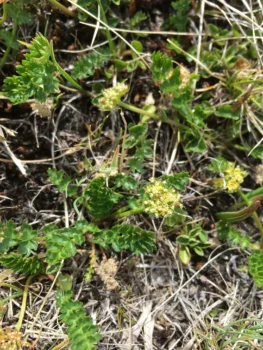
This plant forms compact, cushion-like mats that hug the ground, rarely growing more than a few inches tall. In late spring to early summer, it produces clusters of tiny white flowers arranged in small umbels that seem to glow against the plant’s fine, divided foliage.
Where You’ll Find It in the Wild
Eastwood’s podistera calls the high-elevation areas of Colorado, New Mexico, and Utah home. It thrives in the alpine and subalpine zones where few other plants can survive, typically growing above treeline in rocky, well-drained soils.
- Species observed
- No observations
A Word of Caution: This Plant is Vulnerable
Before you get too excited about adding this alpine beauty to your collection, there’s something important you need to know. Eastwood’s podistera has a Global Conservation Status of S3, meaning it’s considered vulnerable. This designation indicates the plant is either very rare throughout its range or found only in restricted areas, with typically just 21 to 100 known populations.
If you’re determined to grow this species, please ensure you source it responsibly from reputable native plant nurseries that propagate their own stock rather than collect from wild populations. Never collect plants or seeds from the wild.
Is This Plant Right for Your Garden?
Let’s be honest – Eastwood’s podistera is not for beginners or casual gardeners. This plant has very specific needs that are challenging to meet in most garden settings:
- Requires excellent drainage and rocky, mineral-rich soil
- Needs cool temperatures and protection from hot summer conditions
- Thrives in USDA hardiness zones 3-6, but requires alpine-specific conditions
- Best suited for specialized alpine gardens or rock gardens with expert care
Growing Conditions and Care
If you’re up for the challenge, here’s what Eastwood’s podistera needs to thrive:
- Soil: Extremely well-draining, rocky or gravelly soil with good mineral content
- Light: Full sun to partial shade, with protection from intense afternoon heat
- Water: Minimal watering once established; avoid wet conditions, especially in winter
- Temperature: Cool growing conditions; struggles in hot, humid climates
- Special considerations: May benefit from winter protection in areas without consistent snow cover
Benefits to Pollinators and Wildlife
While small, the flowers of Eastwood’s podistera do provide nectar for specialized alpine pollinators, including small flies, beetles, and other tiny insects that have adapted to high-elevation life. In its native habitat, it’s part of a complex alpine ecosystem that supports unique wildlife communities.
The Bottom Line
Eastwood’s podistera is a plant for the truly dedicated alpine gardener who appreciates rare and challenging species. Its vulnerable status means it should be grown with respect and care, using only responsibly sourced plants. While not suitable for most gardens, it can be a rewarding addition to specialized rock gardens or alpine collections maintained by experienced growers.
If you’re new to alpine gardening or looking for easier native alternatives, consider starting with more adaptable high-elevation natives before taking on the challenge of this rare beauty. But if you have the expertise and dedication, Eastwood’s podistera offers the unique satisfaction of successfully growing one of nature’s most specialized alpine treasures.