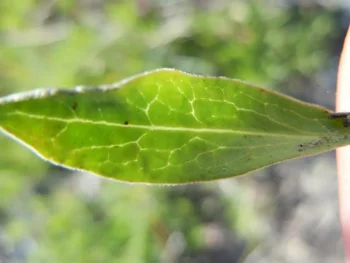
Eaton’s Aster: A Late-Season Native Star for Western Gardens
If you’re looking for a native perennial that brings a splash of purple to your garden just when everything else is winding down for the season, let me introduce you to Eaton’s aster (Symphyotrichum eatonii). This unassuming wildflower might not win any flashy garden contests, but it’s the kind of reliable, hardworking plant that makes both gardeners and pollinators very happy.
Meet Eaton’s Aster
Eaton’s aster is a true western native, belonging to the vast Symphyotrichum genus that gave us so many beloved fall-blooming asters. As a herbaceous perennial forb, it returns year after year without the woody stems of shrubs or trees. Instead, it sends up fresh green growth each spring from its underground root system.
You might occasionally see this plant listed under some of its historical names, including Aster eatonii or Aster foliaceus var. eatonii, but botanists have settled on Symphyotrichum eatonii as the current accepted name.
Where Eaton’s Aster Calls Home
This adaptable aster has claimed quite a bit of territory across western North America. You’ll find it growing naturally from the Canadian provinces of Alberta and British Columbia all the way south through Arizona, California, Colorado, Idaho, Montana, Nevada, New Mexico, Oregon, Utah, Washington, and Wyoming. That’s quite the range for a single species!
- Species observed
- No observations
What makes this distribution even more impressive is the plant’s adaptability to different moisture conditions. Eaton’s aster holds a facultative wetland status across its range, meaning it’s equally comfortable in wet spots and drier areas – talk about flexible!
Why Your Garden (and Local Wildlife) Will Love It
Here’s where Eaton’s aster really shines: timing. While most native wildflowers are calling it quits by late summer, this little beauty is just getting started. Its purple to lavender daisy-like flowers with bright yellow centers emerge in late summer and continue blooming well into fall.
This late-season timing makes it absolutely invaluable for pollinators preparing for winter or, in the case of monarch butterflies, gearing up for their epic migration south. Native bees, butterflies, and other beneficial insects flock to these flowers when nectar sources are becoming scarce elsewhere.
From a design perspective, Eaton’s aster fits beautifully into:
- Native plant and wildflower gardens
- Prairie and meadow plantings
- Xeriscapes and drought-tolerant landscapes
- Pollinator gardens
- Naturalized areas where you want a wild look
Growing Eaton’s Aster Successfully
One of the best things about this native is how easygoing it is. Eaton’s aster thrives in USDA hardiness zones 3-8, covering most of the continental United States and southern Canada.
Light requirements: Give it full sun to partial shade. It’s pretty forgiving, but you’ll get the best flower production in sunnier spots.
Soil needs: Here’s where its facultative status really pays off. This aster tolerates everything from occasionally wet soils to fairly dry conditions once established. It’s not particularly picky about soil quality either, making it perfect for those challenging spots in your garden.
Water: While it can handle moisture variation, regular water during its first growing season will help it establish a strong root system. After that, it’s quite drought tolerant.
Planting and Care Tips
Eaton’s aster is refreshingly low-maintenance once you get it established. Here are some tips for success:
- Planting time: Spring or fall work well, though spring gives the plant more time to establish before winter.
- Spacing: Give plants room to spread, as they may expand via underground rhizomes over time.
- Maintenance: Cut back spent stems in late winter or early spring before new growth emerges.
- Spreading: Don’t be surprised if your aster gradually expands its territory – this is normal and usually welcome in naturalistic plantings.
The Bottom Line
If you’re gardening anywhere within Eaton’s aster’s native range and want to support local wildlife while adding reliable late-season color to your landscape, this native deserves a spot in your garden. It’s the kind of plant that works quietly in the background most of the season, then steps into the spotlight just when you need it most.
Plus, there’s something deeply satisfying about growing a plant that belongs in your local ecosystem. Eaton’s aster isn’t just surviving in your garden – it’s thriving exactly where nature intended it to be.