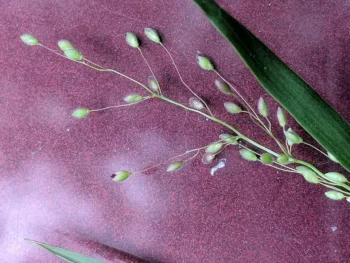
Eaton’s Rosette Grass: A Delicate Native Grass for Naturalistic Gardens
If you’re looking to add authentic native character to your landscape, Eaton’s rosette grass (Dichanthelium spretum) might just be the understated star you’ve been searching for. This charming little grass may not win any flashy flower contests, but it brings something equally valuable to the garden: genuine ecological authenticity and effortless natural beauty.
What Makes Eaton’s Rosette Grass Special?
Eaton’s rosette grass is a perennial native grass that’s perfectly at home across much of eastern North America. Unlike some of its showier garden cousins, this species has mastered the art of quiet elegance. It forms loose, delicate tufts that add fine texture and movement to any planting, creating that coveted natural meadow look that many gardeners strive for but struggle to achieve.
Where Does It Call Home?
This adaptable native grass has quite an impressive range, naturally occurring across a vast swath of eastern North America. You’ll find it growing wild from the Maritime provinces of Canada down through the southeastern United States. Specifically, it thrives in Alabama, New Brunswick, Nova Scotia, Ontario, Connecticut, Delaware, District of Columbia, Georgia, Indiana, Louisiana, Maine, Maryland, Massachusetts, Michigan, Mississippi, New Hampshire, New Jersey, New York, North Carolina, Ohio, Pennsylvania, Rhode Island, South Carolina, Tennessee, Texas, and Virginia.
- Species observed
- No observations
Why Your Garden (and Local Wildlife) Will Love It
Here’s where Eaton’s rosette grass really shines – it’s a multitasker that benefits both your landscape design and local ecosystem:
- Native credibility: This is the real deal – a true native that belongs in your local ecosystem
- Wildlife magnet: The seeds provide food for birds and small mammals throughout fall and winter
- Low maintenance: Once established, it pretty much takes care of itself
- Natural movement: Adds graceful texture and gentle motion to plantings
- Versatile placement: Works beautifully as groundcover or mixed into larger naturalistic plantings
Perfect Garden Situations
Eaton’s rosette grass isn’t trying to be the center of attention – it’s more of a supporting actor that makes everything else look better. It’s absolutely perfect for:
- Native plant gardens where authenticity matters
- Woodland gardens that need understory texture
- Naturalistic landscapes aiming for that wild meadow aesthetic
- Restoration projects requiring true native species
- Areas needing gentle erosion control
Growing Conditions and Care
The beauty of working with native plants like Eaton’s rosette grass is that they’re already adapted to your local conditions. This particular species is refreshingly flexible about where it grows:
Light requirements: Partial shade to full sun – it’s not picky!
Soil preferences: Moist to moderately dry soils work well, and it adapts to various soil types
Climate zones: Hardy in USDA zones 4-9, covering most temperate regions where it naturally occurs
Planting and Care Tips
Here’s the best part about Eaton’s rosette grass – it’s almost criminally easy to grow:
- Plant in spring or fall when temperatures are moderate
- Water regularly the first season to help establish roots, then step back and let nature take over
- Don’t over-fertilize – native grasses prefer lean soils and too much nutrition can make them floppy
- Allow self-seeding if you want natural spreading and renewal
- Expect summer dormancy in hot climates – this is normal and the grass will bounce back
- Cut back in late winter if desired, though leaving seed heads benefits wildlife
The Bottom Line
Eaton’s rosette grass represents everything wonderful about native gardening: it’s authentic, ecological, beautiful in its own quiet way, and practically maintenance-free once established. While it may not grab attention like exotic ornamentals, it provides something much more valuable – a genuine connection between your garden and the natural landscape around you.
If you’re ready to embrace the subtle beauty of true native plants and want to create habitat while you garden, Eaton’s rosette grass deserves a spot in your landscape. Your local birds, small mammals, and fellow native plant enthusiasts will definitely approve of the choice.