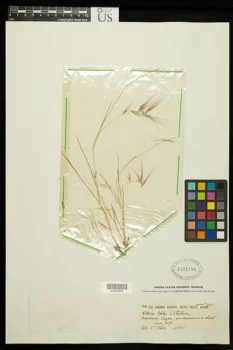
Ectrosia: A Rare Pacific Grass Worth Knowing About
If you’ve stumbled across the name ectrosia in your plant research, you’ve discovered one of the more elusive members of the grass family. This annual grass might not be destined for your backyard garden, but it’s certainly worth understanding – especially if you’re interested in rare Pacific island flora or the fascinating world of specialized native plants.
What Exactly Is Ectrosia?
Ectrosia is a genus of annual grasses native to the Pacific Basin, though you won’t find it in Hawaii despite the tropical connection. This graminoid (that’s botanist-speak for grass or grass-like plant) belongs to the same broad family that includes familiar grasses, sedges, and rushes, but it’s carved out its own very specific niche in the plant world.
Where Does Ectrosia Call Home?
Here’s where things get interesting – and challenging for most gardeners. Ectrosia grows naturally in Palau, making it one of those plants with an incredibly restricted native range. This tiny island nation in the western Pacific Ocean is the only documented location where you’ll find this grass growing wild.
- Species observed
- No observations
Should You Try Growing Ectrosia?
Let’s be honest here: unless you’re living in Palau or have access to very specialized tropical growing conditions, ectrosia probably isn’t going to be your next garden addition. Here’s why:
- Extremely limited availability – you’re unlikely to find seeds or plants at your local nursery
- Specific growing requirements adapted to Pacific island conditions
- As an annual, it would need to be replanted each year
- Limited documentation on cultivation practices
The Reality of Rare Native Plants
Ectrosia represents something important in the plant world: a reminder that not every native species is meant for widespread cultivation. Some plants have evolved to thrive in very specific conditions and locations, and that specialization is part of what makes our planet’s biodiversity so remarkable.
If you’re drawn to the idea of growing Pacific grasses, you might want to explore other options that are better suited to cultivation and more widely available through reputable native plant sources.
What We Can Learn from Ectrosia
Even if you can’t grow it in your garden, ectrosia teaches us valuable lessons about:
- The incredible diversity of grass species beyond our familiar lawn grasses
- How plants adapt to very specific island environments
- The importance of protecting rare native habitats
- Why supporting native plant conservation matters, even for species we may never personally encounter
Supporting Pacific Island Conservation
While you probably won’t be planting ectrosia in your backyard, you can still support the conservation of rare Pacific plants like this one. Consider supporting organizations that work on island conservation, native habitat protection, and botanical research in the Pacific region.
Sometimes the most meaningful way to appreciate a native plant isn’t by growing it ourselves, but by ensuring it continues to thrive in its natural home for future generations to discover and study.