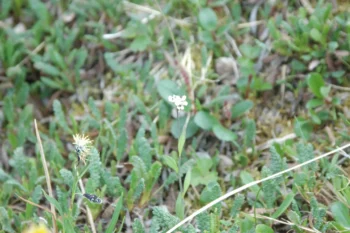
Edwards’ Mock Wallflower: A Hardy Arctic Beauty for Specialized Gardens
If you’re looking for a plant that laughs in the face of brutal winters and thrives where most flowers fear to bloom, Edwards’ mock wallflower (Eutrema edwardsii) might just be your new favorite arctic warrior. This tough-as-nails perennial brings a touch of delicate beauty to some of the world’s harshest landscapes.
What is Edwards’ Mock Wallflower?
Edwards’ mock wallflower is a perennial forb – essentially a non-woody flowering plant that comes back year after year. Don’t let the mock in its name fool you; this plant is the real deal when it comes to cold-weather gardening. As a member of the mustard family, it produces clusters of small white flowers that create a cheerful contrast against its modest foliage.
Where Does It Call Home?
This hardy native has quite the impressive range across the coldest corners of North America. You’ll find Edwards’ mock wallflower naturally growing in Alaska, various Canadian provinces including British Columbia, Manitoba, Quebec, Yukon, Northwest Territories, Nunavut, and Labrador, as well as Greenland. It’s truly a plant of the far north, perfectly adapted to life in arctic and subarctic conditions.
- Species observed
- No observations
Why Consider Edwards’ Mock Wallflower for Your Garden?
Here’s where things get interesting – and a bit challenging. Edwards’ mock wallflower isn’t your typical garden center find, and for good reason:
- Extreme cold hardiness: Thrives in USDA zones 1-4, making it perfect for gardeners in the coldest climates
- Wetland adaptability: Can handle both wetland and non-wetland conditions, though it prefers consistently moist soils
- Native plant benefits: Supports local ecosystems and provides nectar for cold-adapted insects
- Unique garden feature: Perfect for specialized rock gardens, alpine collections, or native plant displays
The Reality Check: Is This Plant Right for You?
Let’s be honest – Edwards’ mock wallflower isn’t for everyone or every garden. This specialized beauty has very specific needs and limitations:
- Requires extremely cold winter temperatures to thrive
- Not suitable for warm climate gardens (zones 5 and above)
- Can be difficult to source and establish
- Best suited for experienced native plant gardeners
If you live in a warmer climate, you’re better off choosing other native alternatives that suit your local conditions.
Growing Conditions and Care
For those brave souls in the far north ready to take on this challenge, here’s what Edwards’ mock wallflower needs to flourish:
- Light: Partial shade to full sun
- Soil: Moist, well-draining soil; tolerates wet conditions
- Water: Consistent moisture is key – this plant doesn’t like to dry out
- Temperature: Thrives in cold conditions; requires winter chilling
- Special considerations: In Alaska, it’s more flexible with moisture levels, but in mountainous regions, it strongly prefers wetland conditions
Planting and Propagation Tips
Starting Edwards’ mock wallflower from seed requires patience and the right technique:
- Seeds need cold stratification (winter treatment) to germinate
- Start seeds in late fall or early spring
- Provide consistent moisture during establishment
- Be patient – this plant takes time to establish and may not flower in its first year
Wildlife and Pollinator Benefits
While Edwards’ mock wallflower may seem modest, it plays an important role in its native ecosystem. The small white flowers provide nectar for various cold-adapted insects, including flies and small bees that are active in arctic conditions. It’s a valuable food source in environments where flowering plants are scarce.
The Bottom Line
Edwards’ mock wallflower is truly a plant for the dedicated cold-climate gardener. If you live in zones 1-4 and are passionate about native plants, arctic gardening, or creating specialized landscape features, this hardy perennial could be a fascinating addition to your collection. However, if you’re looking for an easy-care garden staple or live in a moderate climate, you’ll want to explore other options that better suit your conditions.
For those willing to meet its specific needs, Edwards’ mock wallflower offers the unique satisfaction of successfully growing one of North America’s most cold-adapted flowering plants – a true testament to the incredible diversity and resilience of native flora.