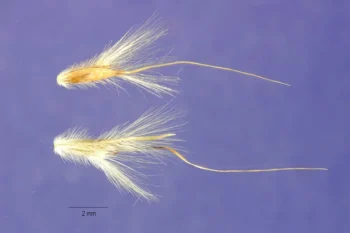
Edwards Plateau Beardgrass: A Texas Treasure for Your Native Garden
If you’re looking to add authentic Texas character to your landscape, Edwards Plateau beardgrass (Bothriochloa edwardsiana) might just be the perfect native grass you’ve never heard of. This perennial beauty is as unique as the limestone hills it calls home, bringing both ecological value and understated elegance to the right garden setting.
What Makes Edwards Plateau Beardgrass Special?
Edwards Plateau beardgrass isn’t your run-of-the-mill ornamental grass. This Texas native is endemic to the Edwards Plateau region of central Texas, making it a true local treasure. You might also see it listed under its scientific synonym, Andropogon edwardsianus, in older plant references, but it’s the same distinctive grass either way.
As a perennial grass, this species comes back year after year, developing into attractive clumps that showcase delicate, feathery seed heads during its blooming season. The grass offers lovely textural interest and can provide beautiful fall color, making it a four-season performer in the right conditions.
Where Does It Grow?
This grass is exclusively native to Texas, specifically the Edwards Plateau region. Its limited natural range makes it a special choice for gardeners who want to grow plants that are truly representative of their local ecosystem.
- Species observed
- No observations
Is Edwards Plateau Beardgrass Right for Your Garden?
This native grass thrives in USDA hardiness zones 7-9, making it suitable for much of Texas and similar climates. However, it’s quite particular about its growing conditions, so success depends on providing the right environment.
Best suited for:
- Native plant gardens focused on Texas flora
- Xeriscaped landscapes
- Prairie restoration projects
- Naturalized garden areas
- Gardens with limestone-based soils
Growing Conditions and Care
Edwards Plateau beardgrass has evolved to thrive in the specific conditions of the Texas Hill Country, so replicating those conditions is key to success:
Sunlight: Full sun is essential for healthy growth and flowering.
Soil: Well-draining limestone soils are preferred, mimicking its native habitat. Heavy clay or constantly moist soils are not suitable.
Water: Once established, this grass is quite drought tolerant, reflecting its adaptation to the often-dry Edwards Plateau climate.
Maintenance: This is refreshingly low-maintenance once established. The grass may self-seed in appropriate conditions, which can be beneficial for naturalizing areas.
Wildlife and Pollinator Benefits
While Edwards Plateau beardgrass is wind-pollinated rather than insect-pollinated, it still provides valuable habitat structure for beneficial insects. The grass clumps offer shelter and nesting sites, while the seeds can provide food for birds and small wildlife.
Planting Tips for Success
Given this grass’s specific habitat requirements, success starts with choosing the right location:
- Ensure excellent drainage – this grass won’t tolerate wet feet
- Plant in full sun exposure
- If possible, amend heavy soils with limestone gravel or sand to improve drainage
- Be patient during establishment – native grasses often take time to settle in
- Water sparingly once established
A Note on Conservation
Because Edwards Plateau beardgrass has such a limited native range, choosing to grow it can be a meaningful way to support local biodiversity. However, always source plants or seeds from reputable native plant nurseries to ensure you’re getting authentic, responsibly propagated material.
The Bottom Line
Edwards Plateau beardgrass isn’t the right choice for every garden, but for Texas gardeners with the right conditions and a passion for truly local plants, it’s a wonderful way to celebrate the unique flora of the Edwards Plateau. Its low-maintenance nature and authentic Texas character make it a rewarding addition to native plant collections, prairie gardens, and xeriscaped landscapes.
If you can provide the limestone soils and excellent drainage this grass craves, you’ll be rewarded with a beautiful, drought-tolerant perennial that connects your garden directly to the natural heritage of central Texas.