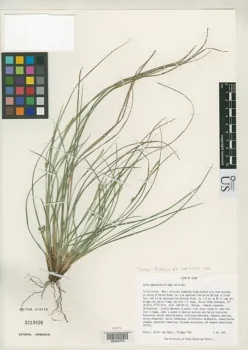
Edwards Plateau Sedge: A Texas Native Worth Growing
Meet Edwards Plateau sedge (Carex edwardsiana), a charming native grass-like perennial that’s perfectly adapted to Texas conditions. This delightful sedge might not be the showiest plant in your garden, but it’s definitely one of the most reliable – and environmentally important.
What Makes Edwards Plateau Sedge Special?
Edwards Plateau sedge is a true Texas native, found naturally only in the Edwards Plateau region of central Texas. As a member of the sedge family (Cyperaceae), it’s technically not a grass, though it certainly looks like one with its narrow, fine-textured green leaves that form attractive clumps.
This perennial sedge has earned a Global Conservation Status of S3S4, which means it’s somewhat rare and worth protecting. By growing Edwards Plateau sedge in your garden, you’re not just adding a beautiful native plant – you’re helping preserve a piece of Texas’s natural heritage.
Where Does It Grow?
Edwards Plateau sedge is endemic to Texas, specifically the Edwards Plateau region of central Texas. This limited native range makes it extra special for Texas gardeners looking to support truly local flora.
- Species observed
- No observations
Why Grow Edwards Plateau Sedge?
There are several compelling reasons to consider this native sedge for your landscape:
- Drought tolerance: Once established, it requires minimal watering
- Low maintenance: Perfect for busy gardeners who want beauty without fuss
- Native ecosystem support: Provides habitat structure for local wildlife
- Erosion control: The clumping growth habit helps stabilize soil
- Authentic Texas landscaping: Adds genuine local character to your garden
Garden Design Ideas
Edwards Plateau sedge works beautifully in several landscape settings:
- Native gardens: Perfect companion for other Texas natives
- Xeriscaping: Ideal for water-wise landscaping
- Naturalistic plantings: Creates texture and movement in prairie-style gardens
- Rain gardens: Handles both dry and occasionally wet conditions
- Groundcover: Forms attractive colonies over time
Growing Conditions and Care
The good news? Edwards Plateau sedge is remarkably easy to grow once you understand its preferences:
Sunlight: Thrives in partial shade to full sun
Soil: Prefers well-draining soils but adapts to various soil types
Water: Drought tolerant once established; water occasionally during extreme dry spells
USDA Hardiness Zones: 7-9 (perfect for most of Texas)
Planting and Care Tips
Getting started with Edwards Plateau sedge is straightforward:
- Planting time: Spring or fall for best establishment
- Spacing: Plant clumps 12-18 inches apart for groundcover effect
- Watering: Water regularly the first year, then reduce as plants establish
- Maintenance: Divide clumps every 3-4 years to maintain vigor
- Fertilizing: Generally unnecessary in native soils
Important Note About Sourcing
Because Edwards Plateau sedge has a conservation status indicating some rarity, it’s crucial to source your plants responsibly. Only purchase from reputable native plant nurseries that propagate their own stock rather than wild-collecting. This ensures you’re supporting conservation efforts rather than potentially harming wild populations.
Wildlife and Ecosystem Benefits
While Edwards Plateau sedge is wind-pollinated (so it won’t attract butterflies like wildflowers do), it provides valuable ecosystem services. The clumping structure offers shelter for small wildlife, and the seeds may provide food for birds. Plus, by growing native plants, you’re supporting the complex web of relationships that make Texas ecosystems thrive.
The Bottom Line
Edwards Plateau sedge might not be the flashiest plant in the nursery, but it’s a solid choice for Texas gardeners who want to create beautiful, sustainable landscapes. Its drought tolerance, low maintenance needs, and important conservation status make it a plant you can feel good about growing. Just remember to source it responsibly, and you’ll have a lovely native sedge that connects your garden to the unique natural heritage of the Edwards Plateau.