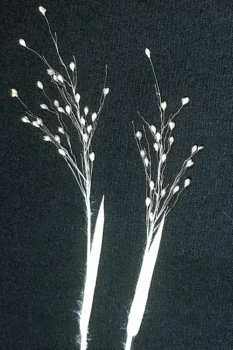
Eggleaf Rosette Grass: A Humble Native with Hidden Charms
If you’re looking for a native grass that won’t steal the spotlight but will quietly do its job in your landscape, meet eggleaf rosette grass (Dichanthelium ovale). This understated perennial might not win any beauty contests, but it’s got some solid qualities that make it worth considering for the right garden situations.
What Exactly Is Eggleaf Rosette Grass?
Eggleaf rosette grass is a native perennial grass that belongs to the diverse world of graminoids – those grass-like plants that include true grasses, sedges, and rushes. True to its name, this little grass grows in a bunching, rosette-like form and reaches a modest height of about 1.7 feet when mature.
This native gem is authentically American, naturally occurring across 27 states from the Atlantic coast to the Great Plains, plus Puerto Rico. You’ll find it growing wild from Maine down to Florida, west to Texas, and north to Minnesota – quite the geographic range for such an unassuming plant!
- Species observed
- No observations
Why You Might (Or Might Not) Want to Plant It
The Good News:
- It’s a true native, so you’re supporting local ecosystems
- Rapid growth rate means quick establishment
- High drought tolerance once established
- Low maintenance requirements
- Tolerates shade better than many grasses
- Fine texture adds subtle interest
The Reality Check:
- Flowers are green and inconspicuous – not exactly showstoppers
- Short lifespan means you may need to replant
- Limited commercial availability
- Slow seed spread means natural expansion takes time
Where Does It Fit in Your Landscape?
Eggleaf rosette grass isn’t destined for your front yard showcase, but it shines in supporting roles. Think of it as the reliable character actor of the native plant world. It’s perfect for:
- Naturalized areas where you want authentic native coverage
- Erosion control on slopes (those 4-inch minimum roots help hold soil)
- Low-maintenance areas that get some shade
- Native plant gardens focused on ecological function over flashy flowers
- Transitional zones between cultivated and wild areas
Since it’s classified as facultative upland across all regions, this grass prefers well-drained sites but can handle occasional wet conditions – making it quite adaptable.
Growing Conditions That Make It Happy
One of the best things about eggleaf rosette grass is that it’s not particularly fussy. Here’s what it prefers:
- Soil: Coarse to medium-textured soils (avoid heavy clay)
- pH: Acidic conditions (4.0-6.5)
- Moisture: Low water needs once established
- Light: Full sun to partial shade (shade tolerant!)
- Temperature: Hardy to about -13°F (roughly zones 6-10)
- Fertility: Low nutrient requirements
Planting and Care Tips
Here’s where things get a bit tricky – eggleaf rosette grass has limited commercial availability, so you might need to do some hunting to find seeds. If you do locate some:
- Timing: Plant in spring for best results
- Seeding rate: With 320,000 seeds per pound, a little goes a long way
- Germination: Expect medium seedling vigor, so be patient
- Establishment: Provide regular water the first season, then back off
- Maintenance: Minimal once established – this is a low-input plant
The grass blooms in spring with those inconspicuous green flowers, followed by small yellow seeds from summer through fall. Don’t expect much natural spreading – this species keeps to itself.
Wildlife and Ecological Benefits
While we don’t have specific wildlife data for this species, native grasses like eggleaf rosette grass typically provide:
- Seeds for birds and small mammals
- Nesting material and shelter
- Habitat for beneficial insects
- Soil stabilization and erosion control
The Bottom Line
Eggleaf rosette grass won’t make your neighbors stop and stare, but it’s a solid choice for gardeners who value native plants and ecological function over flashy blooms. If you’re creating naturalized areas, need erosion control, or want authentic native coverage in challenging spots, this humble grass might be exactly what you’re looking for.
Just remember to source it responsibly (if you can find it at all), and don’t expect overnight drama. This is a plant that rewards patience and grows on you over time – quite literally, given its slow spreading habit. Sometimes the best garden additions are the ones that simply do their job well without demanding constant attention.