Egyptian Spleenwort: A Delicate Tropical Fern for Your Shade Garden
Meet the Egyptian spleenwort (Asplenium aethiopicum), a graceful fern that brings a touch of tropical elegance to any shaded corner of your garden. Don’t let the exotic-sounding name fool you – this charming perennial has made itself quite at home in Hawaii and could be the perfect addition to your landscape if you’re looking for something a little different.
What Exactly is Egyptian Spleenwort?
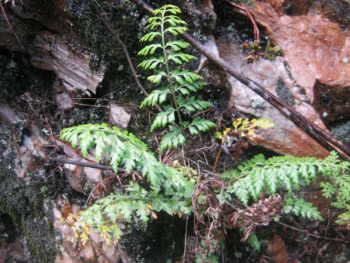
Egyptian spleenwort is a delicate fern species that belongs to the Asplenium family. You might also encounter it under some of its scientific synonyms like Asplenium praemorsum or Asplenium furcatum, but don’t let the botanical mumbo-jumbo intimidate you. This is simply a beautiful fern with deeply divided, feathery fronds that create an almost lace-like appearance in your garden.
As a perennial plant, Egyptian spleenwort will return year after year, slowly establishing itself as a reliable presence in your landscape. It’s particularly well-suited for gardeners in tropical and subtropical climates, thriving in USDA hardiness zones 9-11.
Where Does This Fern Call Home?
While its common name suggests African origins, Egyptian spleenwort has successfully naturalized in Hawaii, where it’s now considered part of the local flora. In Hawaii, you’ll find this adaptable fern growing throughout the islands, making it a great choice for gardeners in similar tropical climates.
- Species observed
- No observations
Is Egyptian Spleenwort Beneficial for Your Garden?
Absolutely! This fern brings several benefits to your outdoor space:
- Aesthetic Appeal: Its delicate, deeply divided fronds add texture and visual interest to shaded areas
- Low Maintenance: Once established, it requires minimal care and attention
- Versatile Placement: Works beautifully as ground cover, in rock gardens, or as an understory plant
- Year-Round Interest: As a perennial, it provides consistent greenery throughout the growing season
How to Identify Egyptian Spleenwort
Spotting Egyptian spleenwort is relatively straightforward once you know what to look for. The key identifying features include:
- Deeply divided, feathery fronds that give it a delicate, lace-like appearance
- Small to medium-sized fern, typically staying compact
- Preference for shaded, moist environments
- Growth pattern that forms small colonies over time
Growing Conditions and Care Tips
Egyptian spleenwort has some specific preferences when it comes to its growing environment. In Hawaii, this fern has a Facultative Upland wetland status, which means it usually prefers non-wetland conditions but can tolerate some moisture. Here’s what it loves:
- Light: Partial to full shade – direct sunlight can scorch those delicate fronds
- Soil: Moist but well-draining soil with good organic content
- Humidity: Higher humidity levels, making it perfect for tropical and subtropical gardens
- Water: Consistent moisture without waterlogging
Perfect Garden Partnerships
Egyptian spleenwort plays well with others in the garden. Consider pairing it with other shade-loving plants like hostas, begonias, or other tropical foliage plants. It’s particularly stunning in naturalistic landscapes where you want to create a lush, forest-floor feel.
While this fern doesn’t offer nectar or pollen for pollinators (since ferns don’t flower), it does contribute to the overall ecosystem by providing habitat structure and contributing to the diverse plant community that supports various wildlife.
Should You Plant Egyptian Spleenwort?
If you live in a warm climate (zones 9-11) and have shaded areas in your garden that could use some delicate texture and year-round interest, Egyptian spleenwort could be an excellent choice. It’s particularly well-suited for tropical-style gardens, shade gardens, and naturalistic landscapes.
However, if you’re passionate about native plant gardening, consider researching ferns that are native to your specific region first. While Egyptian spleenwort has naturalized in Hawaii, supporting truly local native species is always a great way to help your local ecosystem thrive.
Whether you choose Egyptian spleenwort or a native alternative, adding ferns to your shade garden is a wonderful way to create texture, visual interest, and a sense of lush tranquility in your outdoor space.