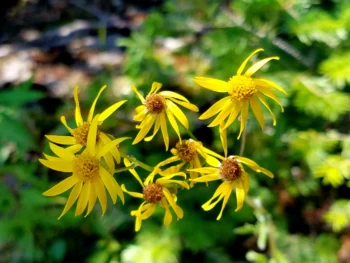
Elegant Groundsel: A Hardy Native Wildflower for Northern Gardens
If you’re looking for a resilient native wildflower that can handle challenging northern climates, elegant groundsel (Packera indecora) might just be your new garden companion. This cheerful perennial brings sunny yellow blooms to landscapes across some of the continent’s most demanding growing regions.
Meet the Elegant Groundsel
Elegant groundsel is a native North American perennial that belongs to the sunflower family. You might also encounter it under its former scientific names, including Senecio indecorus. As a forb—essentially a non-woody flowering plant—it lacks the thick stems of shrubs but makes up for it with reliability and charm.
Where You’ll Find It Growing Wild
This hardy native has an impressive natural range that spans much of northern North America. You’ll find elegant groundsel growing wild across Alaska, throughout most of Canada (including Alberta, British Columbia, Manitoba, Ontario, Quebec, Saskatchewan, Yukon, Northwest Territories, and Nunavut), and in several northern U.S. states including California, Idaho, Michigan, Minnesota, Montana, Washington, Wisconsin, and Wyoming, plus Labrador.
- Species observed
- No observations
Why Consider Elegant Groundsel for Your Garden?
There are several compelling reasons to give this native plant a spot in your landscape:
- True native credentials: Supporting local ecosystems by choosing plants that evolved in your region
- Pollinator magnet: The bright yellow daisy-like flowers attract native bees, butterflies, and other beneficial insects
- Extreme cold tolerance: Hardy in USDA zones 2-7, making it perfect for challenging northern climates
- Low maintenance: Once established, it requires minimal care
- Wetland versatility: Adapts to various moisture conditions depending on your region
Garden Roles and Design Ideas
Elegant groundsel works beautifully in several garden settings:
- Native plant gardens: A natural choice for authentic regional landscapes
- Wildflower meadows: Adds bright color to naturalized areas
- Rain gardens: Handles varying moisture levels well
- Cottage gardens: Provides a wild, informal look
- Pollinator gardens: Essential food source for native insects
Growing Conditions and Care
One of elegant groundsel’s best features is its adaptability. Here’s what it prefers:
- Light: Full sun to partial shade
- Soil: Moist to wet soils, though it can adapt to drier conditions in some regions
- Moisture: Consistent moisture preferred, especially during establishment
- pH: Tolerates a wide range of soil conditions
Wetland Status Considerations
Elegant groundsel shows interesting regional variations in its water preferences. In Alaska, it typically grows in upland areas, while in most other regions—including the Arid West, Great Plains, Northcentral & Northeast, and Western Mountains—it usually prefers wetland conditions. This flexibility makes it valuable for various garden situations.
Planting and Care Tips
Getting elegant groundsel established is straightforward:
- Timing: Plant in spring after frost danger passes or in early fall
- Spacing: Allow adequate room for the plant to spread naturally
- Watering: Keep consistently moist during the first growing season
- Maintenance: Minimal care needed once established—simply deadhead spent flowers if desired
- Winter care: Extremely cold hardy; no special winter protection needed
A Note for Southern Gardeners
If you’re gardening outside elegant groundsel’s natural range (generally zones 8 and higher), this plant likely won’t thrive in your climate. Instead, consider native alternatives from your region that will provide similar ecological benefits and aesthetic appeal.
The Bottom Line
Elegant groundsel offers northern gardeners a fantastic opportunity to support local ecosystems while enjoying cheerful yellow blooms. Its combination of native credentials, pollinator benefits, and remarkable cold hardiness makes it a smart choice for gardeners committed to sustainable, regionally appropriate landscaping. Just remember to source your plants responsibly from reputable native plant suppliers to ensure you’re getting the genuine article.