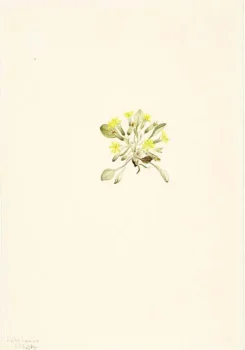
Elegant Hawksbeard: A Charming Native Wildflower for Your Garden
Meet elegant hawksbeard (Crepis elegans), a delightful native wildflower that’s been quietly beautifying North American landscapes for centuries. This unassuming perennial might not have the showiest blooms in the plant kingdom, but what it lacks in drama, it makes up for in charm and reliability.
What Makes Elegant Hawksbeard Special?
Elegant hawksbeard is a native perennial forb – essentially a herbaceous plant that lacks woody stems but packs plenty of personality. Also known scientifically as Askellia elegans, this member of the sunflower family produces cheerful yellow blooms that look like miniature dandelions, typically measuring 1-2 inches across.
As a true North American native, elegant hawksbeard calls Alaska, Canada, and parts of the northwestern United States home. You’ll find it naturally growing in Alberta, British Columbia, Alaska, Manitoba, Yukon, Northwest Territories, Montana, and Wyoming.
- Species observed
- No observations
Why Choose Elegant Hawksbeard for Your Garden?
There are several compelling reasons to consider adding this native beauty to your landscape:
- Pollinator magnet: The bright yellow composite flowers attract bees, butterflies, and other beneficial insects
- Low maintenance: Once established, it’s remarkably drought tolerant and requires minimal care
- Native credentials: Supporting local ecosystems while reducing the need for intensive gardening practices
- Adaptability: Tolerates poor soils and challenging growing conditions
- Extended bloom time: Flowers typically appear throughout the summer months
Perfect Garden Settings
Elegant hawksbeard isn’t a plant for formal flower borders – it’s more of a let’s get wild kind of character. This native wildflower shines in:
- Rock gardens and alpine settings
- Native plant gardens and naturalized areas
- Wildflower meadows
- Xeriscaping projects
- Wildlife gardens focused on supporting pollinators
Growing Conditions and Care
One of elegant hawksbeard’s greatest assets is its easygoing nature. This hardy perennial thrives in USDA hardiness zones 3-7, making it suitable for gardens in cooler climates where many other wildflowers struggle.
Light requirements: Full sun to partial shade – it’s quite flexible about lighting conditions
Soil preferences: Well-drained soils are essential, but it’s remarkably tolerant of poor, rocky, or sandy conditions. Heavy clay soils that stay wet should be avoided.
Water needs: Drought tolerant once established, though regular watering during the first growing season helps establish strong roots
Planting and Care Tips
Getting elegant hawksbeard established in your garden is refreshingly straightforward:
- Best planting time: Spring after the last frost, or fall in milder climates
- Spacing: Allow 12-18 inches between plants for proper air circulation
- Soil preparation: Ensure good drainage – amend heavy soils with sand or gravel if necessary
- Watering: Water regularly the first year, then reduce as the plant establishes
- Fertilizing: Generally unnecessary – this plant thrives in lean conditions
- Maintenance: Deadhead spent flowers to encourage continued blooming, or leave them for self-seeding
Is Elegant Hawksbeard Right for Your Garden?
This native wildflower is an excellent choice if you’re looking to create a low-maintenance garden that supports local wildlife while adding subtle beauty to your landscape. It’s particularly well-suited for gardeners in northern climates who want reliable, hardy perennials that can handle challenging conditions.
However, elegant hawksbeard might not be the best fit if you’re after bold, showy blooms or formal garden aesthetics. Its natural, somewhat wild appearance works best in casual, naturalized settings rather than structured flower beds.
With its combination of native heritage, pollinator appeal, and low-maintenance nature, elegant hawksbeard deserves consideration for any garden focused on sustainability and supporting local ecosystems. Sometimes the most elegant garden choices are the ones that work harmoniously with nature – and this charming wildflower does exactly that.