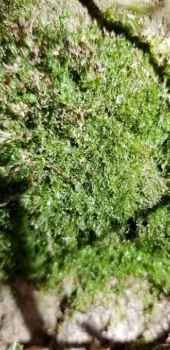
Elegant Pseudotaxiphyllum Moss: A Delicate Native Ground Cover for Shady Spaces
If you’ve ever wandered through a shaded woodland and noticed those perfectly arranged, feathery green carpets adorning rocks and fallen logs, you might have encountered the elegant pseudotaxiphyllum moss. This charming native bryophyte brings a touch of forest magic to any garden willing to embrace the quieter side of landscaping.
What Exactly Is Elegant Pseudotaxiphyllum Moss?
Pseudotaxiphyllum elegans is a native North American moss that belongs to the fascinating world of bryophytes – those ancient, non-flowering plants that have been carpeting our planet for millions of years. Unlike the plants we typically think of when planning our gardens, mosses don’t have roots, stems, or leaves in the traditional sense. Instead, they’re made up of tiny structures that absorb water and nutrients directly from the air and surfaces they grow on.
This particular moss species has earned quite the collection of scientific names over the years, having been reclassified multiple times as botanists better understood its relationships to other moss species. But don’t let the scientific shuffle fool you – this moss has been quietly doing its thing in North American forests for ages.
Where Does It Call Home?
Elegant pseudotaxiphyllum moss is a true North American native, naturally occurring throughout the eastern regions of the continent. You’ll find it thriving from the cool forests of Canada down through the southeastern United States, adapting beautifully to the varying climates across USDA hardiness zones 3 through 8.
Recognizing This Woodland Beauty
Spotting elegant pseudotaxiphyllum moss is like finding nature’s own green silk scarves draped across the forest floor. Here’s what to look for:
- Flattened, feathery shoots that create delicate, lace-like patterns
- Glossy, bright green coloration that stays vibrant even in deep shade
- Growth in thin, spreading mats rather than thick cushions
- Preference for growing on soil, rocks, decaying logs, and tree bases
- Shoots that lie relatively flat against their growing surface
Is It Beneficial in Your Garden?
Absolutely! While elegant pseudotaxiphyllum moss might not attract butterflies or produce showy flowers, it offers some wonderful benefits that make it a garden gem:
- Natural ground cover: Creates living carpets in areas where traditional plants struggle
- Erosion control: Helps stabilize soil on slopes and around tree roots
- Low maintenance: Once established, requires minimal care
- Year-round interest: Provides consistent green color through all seasons
- Habitat creation: Offers shelter for tiny insects and other small woodland creatures
- Moisture retention: Helps keep surrounding soil moist
Perfect Garden Companions
This moss shines brightest in woodland and shade gardens where it can mimic its natural forest habitat. It’s particularly stunning when allowed to spread around the bases of native trees, along shaded pathways, or across rock features in naturalistic landscapes. Think of it as nature’s way of adding sophisticated texture to those tricky spots where grass won’t grow and other ground covers seem too aggressive.
Creating the Right Conditions
If you’re hoping to encourage elegant pseudotaxiphyllum moss in your garden, focus on recreating its preferred woodland conditions:
- Shade: Thrives in partial to full shade
- Moisture: Needs consistent moisture but not waterlogged conditions
- Surfaces: Grows on soil, rocks, fallen logs, and tree bark
- Air circulation: Benefits from good air flow to prevent stagnation
- Minimal disturbance: Appreciates areas with low foot traffic
A Patient Gardener’s Reward
Working with mosses requires a different mindset than traditional gardening. You can’t simply plant elegant pseudotaxiphyllum moss like you would a perennial. Instead, if you find it growing naturally on your property, consider yourself lucky and work to maintain the conditions it loves. You might also try gently transplanting small patches from other areas of your property, though always do this responsibly and sparingly.
Remember, mosses operate on their own timeline – they’re not in any hurry to establish or spread. But for those willing to embrace a more natural, low-intervention approach to gardening, elegant pseudotaxiphyllum moss offers a beautiful way to connect with the ancient, quiet wisdom of our native forests.
So next time you’re planning improvements for those challenging shady spots in your garden, consider making space for this elegant native. Your garden – and the tiny creatures that call it home – will thank you for it.