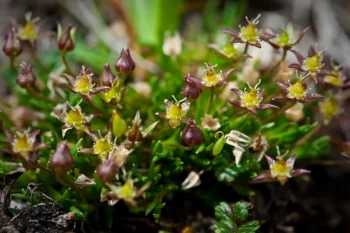
Elegant Stitchwort: A Delicate Alpine Beauty for Specialized Gardens
Meet elegant stitchwort (Minuartia elegans), a charming little native plant that’s as refined as its name suggests. This petite perennial might not be the showstopper of your garden, but for the right gardener in the right location, it’s an absolute gem that brings authentic alpine character to specialized landscape designs.
What Makes Elegant Stitchwort Special
Don’t let the delicate appearance fool you—elegant stitchwort is one tough cookie. This hardy annual forb produces tiny white flowers with five pristine petals that seem to sparkle against its needle-like foliage. The plant forms low cushions or mats, creating an almost ethereal groundcover effect that’s particularly stunning when planted in groups.
Botanically known as Minuartia elegans, this species belongs to the carnation family and has quite the collection of scientific aliases—evidence of how botanists have puzzled over its classification throughout the years. But regardless of what you call it, its beauty remains constant.
Where Elegant Stitchwort Calls Home
Elegant stitchwort is a true North American native, naturally occurring across Alaska, western Canada (Alberta, British Columbia, Yukon, and Northwest Territories), and several western U.S. states including Colorado, Idaho, Montana, Oregon, and Washington. This wide distribution across some of North America’s most challenging climates tells you everything you need to know about this plant’s resilience.
- Species observed
- No observations
Is Elegant Stitchwort Right for Your Garden?
You’ll love elegant stitchwort if you:
- Have a rock garden or alpine garden setup
- Live in USDA hardiness zones 2-6
- Appreciate subtle, delicate beauty over bold statements
- Want to support native plant biodiversity
- Have excellent drainage and don’t mind challenging growing conditions
- Enjoy collecting unusual native species
Skip elegant stitchwort if you:
- Live in hot, humid climates
- Have heavy clay soil with poor drainage
- Want low-maintenance plants for beginners
- Prefer large, showy flowers
- Don’t have experience with alpine plants
Growing Elegant Stitchwort Successfully
Here’s where things get interesting—elegant stitchwort isn’t your typical garden center plant. This alpine specialist has some very particular preferences that you’ll need to respect if you want success.
Soil Requirements: Think mountain meadow, not garden bed. Elegant stitchwort demands excellent drainage and actually prefers sandy or rocky soils over rich garden loam. If water sits around the roots, you’ll quickly lose your plant.
Light Needs: Full sun is essential. This plant evolved in wide-open alpine environments where shade is scarce.
Water Wisdom: Once established, elegant stitchwort is remarkably drought tolerant. Overwatering is far more dangerous than underwatering.
Climate Considerations: This cold-hardy champion thrives in zones 2-6 but struggles in hot, humid conditions. It’s perfect for gardeners in northern climates or high-elevation areas.
Planting and Care Tips
Getting elegant stitchwort established requires a bit of patience and planning:
- Start from seed rather than transplants—elegant stitchwort doesn’t always appreciate root disturbance
- Plant seeds in fall for natural cold stratification
- Create a specialized planting area with amended drainage if needed
- Space plants to allow for their natural spreading habit
- Avoid fertilizing—rich soils can actually harm this adapted native
- Be patient—alpine plants often grow slowly but live long lives
Garden Design Ideas
Elegant stitchwort shines in specialized garden settings. Consider using it as:
- Groundcover in rock gardens alongside other alpine natives
- Accent planting in gravel gardens or xeriscapes
- Part of a native plant collection representing regional flora
- Living mulch around other cold-hardy perennials
- Naturalized plantings in appropriate climates
Supporting Local Wildlife
While elegant stitchwort’s flowers are small, they’re perfectly sized for tiny native pollinators and beneficial insects. In its native range, this plant plays an important role in supporting specialized alpine and northern ecosystems.
The Bottom Line
Elegant stitchwort isn’t for every gardener or every garden—and that’s perfectly fine! This specialized beauty rewards patient, dedicated growers who appreciate subtle charm and want to cultivate authentic native alpine character. If you’re up for the challenge and have the right growing conditions, elegant stitchwort can be a unique and rewarding addition to your native plant collection.
Remember, gardening with native plants like elegant stitchwort isn’t just about personal enjoyment—it’s about preserving and celebrating the incredible diversity of North American flora. Sometimes the most rewarding plants are the ones that teach us something new about patience, adaptation, and the remarkable resilience of nature.