Elephanthead Lousewort: A Whimsical Wetland Wonder for Your Garden
If you’re looking for a conversation starter in your garden, meet the elephanthead lousewort (Pedicularis groenlandica) – a charming native wildflower that literally looks like tiny pink elephants dancing on stems! This quirky perennial brings both beauty and ecological value to the right garden setting.
What Makes Elephanthead Lousewort Special?
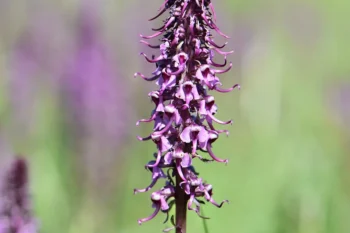
The elephanthead lousewort gets its delightful common name from its distinctive flowers, which bear an uncanny resemblance to elephant heads complete with trunk and ears. These pink to purple blooms cluster together in dense spikes, creating a whimsical display that’s sure to charm visitors to your garden. The plant’s fern-like, deeply divided foliage provides an attractive backdrop for the showy flowers.
Where Does It Come From?
This hardy native calls a vast territory home, thriving across Alaska, Canada (including Greenland), and much of the western United States. You’ll find it naturally growing from the mountains of California and Colorado all the way up to the Arctic regions. Its impressive range includes:
- Alaska and northern Canada
- Western mountains from Arizona to Washington
- High elevation areas in California, Colorado, Utah, and Wyoming
- Prairie provinces of Alberta, Saskatchewan, and Manitoba
- Species observed
- No observations
Growing Conditions: It’s All About the Water
Here’s where things get specific – elephanthead lousewort is a water lover! This plant is classified as an obligate wetland species in most regions, meaning it almost always needs consistently moist to wet conditions to thrive. Think of it as nature’s way of saying keep me happy with water!
Key growing requirements include:
- Moisture: High water needs – perfect for bog gardens, rain gardens, or consistently moist areas
- Soil: Prefers medium-textured soils with good organic content
- pH: Slightly acidic to neutral (5.8-7.2)
- Sunlight: Intermediate shade tolerance – partial sun to light shade works best
- Temperature: Very cold hardy (down to -33°F) – suitable for USDA zones 2-7
Size and Growth Habits
Elephanthead lousewort is a well-behaved garden citizen that won’t take over your space. It typically reaches about 2.5 feet tall with a single-crown growth form, meaning it grows from one central point rather than spreading aggressively. The plant has a moderate growth rate and blooms during late spring, with seeds developing through spring and summer.
Perfect Garden Settings
This native beauty shines in specific garden types:
- Bog gardens: Its natural wetland habitat preference makes it ideal
- Rain gardens: Helps manage water runoff while providing beauty
- Wildflower meadows: Adds unique texture and color
- Alpine gardens: Perfect for high-elevation garden themes
- Naturalized areas: Great for low-maintenance, native plant landscapes
Wildlife and Pollinator Benefits
The unique flower shape of elephanthead lousewort makes it particularly attractive to bumblebees and other long-tongued bees. The specialized flower structure requires pollinators to work a bit for their nectar reward, making it an excellent addition to pollinator gardens, especially in wetland settings.
How to Grow Elephanthead Lousewort Successfully
Starting from seed: With about 175,000 seeds per pound, you have plenty to work with! Seeds can be direct sown in fall or spring, though germination can be variable.
Planting tips:
- Choose a consistently moist location – this is non-negotiable!
- Ensure good drainage despite high moisture needs
- Plant in areas with morning sun and afternoon shade
- Space plants to accommodate their 2.5-foot mature height
- Be patient – this perennial may take time to establish
Ongoing care:
- Maintain consistent soil moisture throughout the growing season
- Avoid fertilizing heavily – it prefers moderate fertility
- No pruning needed – let it go to seed for natural reseeding
- Winter protection is rarely needed given its extreme cold hardiness
Should You Plant Elephanthead Lousewort?
If you have a consistently moist area in your garden and want to support native wildlife while adding unique visual interest, elephanthead lousewort could be perfect for you. However, be honest about your site conditions – this plant simply won’t thrive in typical garden borders or areas that dry out regularly.
Consider this native beauty if you:
- Have a bog garden, rain garden, or consistently moist area
- Want to support native pollinators with specialized flowers
- Enjoy unique, conversation-starting plants
- Live in USDA zones 2-7
- Prefer low-maintenance native plants
Skip it if you:
- Have typical garden conditions with average moisture
- Don’t have consistently wet or moist areas
- Prefer plants that tolerate drought
- Live in hot, humid climates outside its native range
With its elephant-like blooms and strong ecological value, elephanthead lousewort proves that sometimes the most specialized plants make the most rewarding garden additions – when you can meet their specific needs!