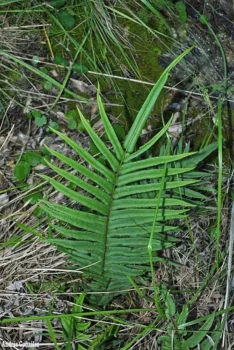
Elephantleaf Brake: A Striking Native Fern for Wet Gardens
If you’re looking to add some serious tropical flair to your shady, wet garden spots, meet the elephantleaf brake (Pteris grandifolia). This impressive native fern doesn’t just tolerate soggy soil – it absolutely thrives in it! With fronds that live up to its elephant name, this perennial beauty brings bold texture and lush greenery to areas where many other plants would simply sulk.
What Makes Elephantleaf Brake Special?
The elephantleaf brake is a true American native, naturally found in Florida and Puerto Rico. As its common name suggests, this fern produces large, broad fronds that create an almost tropical canopy effect in the garden. Unlike flowering plants, ferns like this one reproduce through spores and add a prehistoric charm to any landscape.
This perennial fern is classified as an obligate wetland species, meaning it almost always occurs in wetland environments in both the Atlantic and Gulf Coastal Plain regions and the Caribbean. Translation? It’s perfectly designed for those challenging wet spots in your yard that leave other plants struggling.
- Species observed
- No observations
Why Choose Elephantleaf Brake for Your Garden?
Here are the compelling reasons to consider this native beauty:
- Native credentials: Supporting local ecosystems by choosing plants that belong here naturally
- Wetland champion: Thrives in consistently moist to wet soils where other plants fail
- Low maintenance: Once established, requires minimal care beyond adequate moisture
- Unique texture: Large fronds create bold architectural interest in shade gardens
- Year-round presence: As a perennial, it provides structure throughout the growing season
Perfect Garden Settings
Elephantleaf brake shines in several garden scenarios:
- Bog gardens: Ideal for naturalistic wetland plantings
- Shade gardens: Excellent understory plant beneath trees
- Rain gardens: Helps manage stormwater while looking fantastic
- Naturalistic landscapes: Perfect for creating wild, woodland feels
- Restoration projects: Great choice for wetland habitat restoration
Growing Conditions and Care
Success with elephantleaf brake is all about mimicking its natural wetland habitat:
- Moisture: Requires consistently moist to wet soil – never let it dry out
- Light: Partial to full shade; direct sun can scorch the fronds
- Soil: Adaptable to various soil types as long as they stay moist
- Hardiness: Best suited for USDA zones 9-11
- Humidity: Appreciates high humidity levels
Planting and Care Tips
Getting your elephantleaf brake established is straightforward:
- Site selection: Choose naturally wet or easily irrigated locations
- Soil preparation: Add organic matter to improve soil structure and moisture retention
- Watering: Keep soil consistently moist; consider drip irrigation for dry spells
- Mulching: Apply organic mulch to help retain moisture and suppress weeds
- Fertilizing: Generally unnecessary; rich, organic soil provides adequate nutrition
Wildlife and Ecosystem Benefits
While elephantleaf brake doesn’t produce flowers for pollinators, it still contributes to garden ecosystems by providing shelter and habitat structure for small wildlife. Its presence in wetland areas supports the broader ecosystem that many native species depend on.
Is Elephantleaf Brake Right for You?
Consider elephantleaf brake if you have consistently moist to wet garden areas and want to embrace native plants that actually thrive in challenging conditions. It’s particularly valuable for gardeners in zones 9-11 who are working with naturally wet sites or creating rain gardens.
However, if you garden in drier conditions or cooler climates, this wetland specialist might not be the best fit. In those cases, consider other native ferns better suited to your specific growing conditions.
The elephantleaf brake proves that native plants aren’t just good for the environment – they can also be the perfect solution for those tricky garden spots that seem impossible to plant. Sometimes the best garden design strategy is simply working with nature instead of against it!