Elkweed: The Patient Gardener’s Ultimate Reward
If you’re looking for a plant that teaches patience and delivers spectacular results, meet elkweed (Frasera speciosa) – one of nature’s most dramatic native wildflowers. This remarkable perennial forb is like the tortoise of the plant world: slow and steady, but absolutely stunning when it finally reaches the finish line.
What Makes Elkweed Special
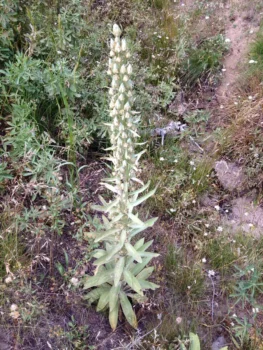
Elkweed is a native perennial that calls the western United States home, thriving across 13 states from Arizona to Wyoming. This impressive forb can grow into a towering spectacle, producing flower stalks that can reach 3-8 feet tall when it finally decides to bloom.
The real showstopper is its flowers – dense clusters of white to greenish-white blooms, each adorned with distinctive purple-spotted nectar glands that look like tiny jewels. These four-petaled beauties create an almost otherworldly appearance that’s sure to be a conversation starter in any garden.
- Species observed
- No observations
The Waiting Game: Why Elkweed Takes Its Time
Here’s where elkweed gets really interesting (and tests your patience): this plant can take anywhere from 20 to 80 years to produce its first flowers! During this incredibly long juvenile phase, elkweed forms a ground-hugging rosette of large, lance-shaped leaves, slowly building energy in its massive taproot.
Once it finally blooms, the plant typically dies – making it what botanists call a monocarpic perennial. Think of it as nature’s ultimate one-hit wonder!
Where Elkweed Thrives
This native beauty is perfectly adapted to western mountain environments and prefers:
- Well-draining soils (it despises wet feet)
- Full sun to partial shade
- Dry to moderately moist conditions
- USDA hardiness zones 3-8
- Rocky or sandy soils with good drainage
Perfect Garden Settings
Elkweed shines in several garden types:
- Rock gardens: Its drought tolerance and dramatic form make it ideal
- Alpine gardens: Mimics its natural mountain habitat
- Xeriscape gardens: Thrives with minimal water once established
- Native plant gardens: Supports local ecosystems
- Naturalized areas: Perfect for low-maintenance wildflower meadows
Wildlife and Pollinator Benefits
When elkweed finally blooms, it becomes a pollinator magnet. Bees, butterflies, and other beneficial insects flock to its nectar-rich flowers. The plant’s common name comes from its historical use – elk and other wildlife would browse on the large basal leaves.
Growing Elkweed Successfully
Growing elkweed requires a special kind of gardener – one who appreciates the journey as much as the destination. Here’s how to give it the best chance:
Planting: Start with seeds sown in fall or early spring. The seeds need cold stratification, so winter planting works well. Plant in well-draining soil with good air circulation.
Soil preparation: Amend heavy soils with sand or gravel to improve drainage. Elkweed’s taproot can extend several feet deep, so deep soil preparation is beneficial.
Watering: Water regularly the first year to establish roots, then back off. Mature plants are quite drought-tolerant and actually prefer drier conditions.
Maintenance: Minimal maintenance required! Just ensure good drainage and resist the urge to overwater or overfertilize.
Should You Grow Elkweed?
Elkweed isn’t for every gardener or every garden. Consider it if you:
- Appreciate unique, native plants
- Have patience for long-term garden projects
- Want to support native pollinators
- Live in a suitable climate zone
- Have well-draining soil conditions
Skip it if you want immediate gratification or have heavy, poorly-draining soils.
The Bottom Line
Elkweed represents gardening at its most philosophical – a plant that reminds us that some of nature’s greatest treasures are worth waiting for. While you may never see it bloom in your lifetime, you’ll be creating something special for future generations while supporting native ecosystems today.
For those ready to embrace the long game, elkweed offers the ultimate gardening lesson in patience, faith, and the incredible diversity of our native plant heritage.