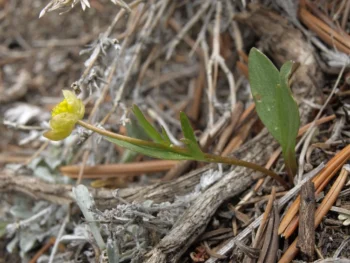
Elliptical Buttercup: A Cheerful Native Wildflower for Early Spring Gardens
If you’re looking for a charming native wildflower that kicks off the growing season with bright, sunny blooms, the elliptical buttercup might just be your new garden favorite. This delightful perennial brings those classic buttercup good looks to your landscape while supporting local ecosystems – and it’s surprisingly easy to grow once you know its preferences.
Meet the Elliptical Buttercup
Known botanically as Ranunculus glaberrimus var. ellipticus, the elliptical buttercup is a native North American perennial that belongs to the buttercup family. This hardy little forb (that’s garden-speak for a non-woody flowering plant) produces those iconic glossy yellow flowers that seem to capture sunshine in their petals.
You might also encounter this plant listed under its synonyms Ranunculus ellipticus Greene or Ranunculus glaberrimus var. buddii in older gardening references or seed catalogs.
Where It Calls Home
The elliptical buttercup is truly a child of western North America, native to both Canada and the lower 48 states. You’ll find it naturally growing across an impressive range that includes Alberta, British Columbia, Arizona, California, Colorado, Saskatchewan, Idaho, Montana, Nebraska, Nevada, New Mexico, North Dakota, Oregon, South Dakota, Utah, Washington, and Wyoming.
- Species observed
- No observations
Why Gardeners Love This Native Beauty
There are several compelling reasons to consider adding elliptical buttercup to your garden:
- Early pollinator support: These flowers emerge early in the spring when pollinators are desperately seeking nectar sources
- Low maintenance: Once established, it’s quite drought tolerant and requires minimal care
- Native plant benefits: Supporting local ecosystems while reducing water and maintenance needs
- Naturalizing ability: Perfect for creating meadow-like areas or filling in rock gardens
- Hardy nature: Thrives in USDA hardiness zones 3-8, handling both cold winters and hot summers
Perfect Garden Situations
The elliptical buttercup shines brightest in:
- Native plant gardens where it can mingle with other regional wildflowers
- Rock gardens where its compact nature and drought tolerance are assets
- Meadow gardens or naturalized areas where it can spread and self-seed
- Xeriscaping projects that emphasize water-wise native plants
Growing Conditions That Make It Happy
Like many western natives, elliptical buttercup isn’t particularly fussy, but it does have some preferences:
- Sunlight: Full sun to partial shade (morning sun is especially appreciated)
- Soil: Well-draining soil is essential – it won’t tolerate soggy conditions
- Water: Moderate water during spring growth, then quite drought tolerant
- Soil quality: Actually performs well in poor soils, making it great for challenging spots
Planting and Care Tips
Getting started with elliptical buttercup is refreshingly straightforward:
- Best planting time: Fall or early spring when temperatures are cool
- Spacing: Plant 6-12 inches apart if you’re establishing a group
- Watering: Water regularly the first season, then reduce as plants establish
- Summer dormancy: Don’t panic if plants die back during hot summer weather – this is natural
- Fertilizing: Generally unnecessary; these plants evolved in lean soils
What to Expect
Your elliptical buttercups will reward you with bright yellow flowers in early spring, often appearing while other plants are still waking up from winter. The plants typically stay relatively compact, making them perfect for front-of-border locations or scattered throughout a rock garden.
One delightful quirk: like many spring ephemerals, elliptical buttercup may go dormant during the hottest part of summer, conserving energy for next year’s spectacular spring show. This makes it an excellent companion for later-blooming perennials that can fill the space as buttercup takes its summer siesta.
The Bottom Line
If you’re gardening anywhere within this plant’s native range and want to support local pollinators while adding cheerful spring color, elliptical buttercup deserves serious consideration. It’s the kind of low-maintenance native that makes you look like a gardening genius while actually being quite forgiving of less-than-perfect care.
Just remember to source your plants or seeds from reputable native plant nurseries, and you’ll be contributing to both a beautiful garden and a healthier local ecosystem. Sometimes the best gardening choices are the ones that have been perfecting themselves in your region for thousands of years!