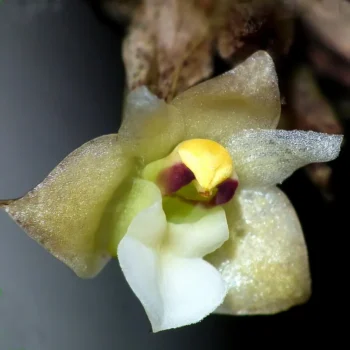
Elongate Agrostophyllum: A Mysterious Pacific Island Native
If you’ve stumbled across the name elongate agrostophyllum in your plant research, you’ve discovered one of the more enigmatic species in the Pacific plant world. Agrostophyllum elongatum is a perennial plant native to the Pacific Basin, specifically found in Guam and Palau, but information about this particular species remains surprisingly scarce in gardening and botanical literature.
What We Know About This Pacific Native
Elongate agrostophyllum is classified as a forb, meaning it’s an herbaceous plant without woody stems above ground. As a perennial, it returns year after year, with its growing points located at or below the soil surface. This growth habit helps it survive in its native tropical Pacific environment.
Geographic Distribution
This native plant calls the Pacific islands of Guam and Palau home, where it has adapted to the unique growing conditions of these tropical island ecosystems.
- Species observed
- No observations
The Challenge for Home Gardeners
Here’s where things get tricky for enthusiastic native plant gardeners: reliable information about growing elongate agrostophyllum is extremely limited. Unlike more common native plants that have well-documented cultivation requirements, this species remains largely unstudied from a horticultural perspective.
What we don’t know includes:
- Specific growing conditions and soil preferences
- Mature size and growth rate
- Flowering characteristics and timing
- Propagation methods
- USDA hardiness zones
- Wildlife and pollinator benefits
- Landscape design applications
Should You Try to Grow It?
Given the lack of cultivation information and the plant’s extremely limited native range, elongate agrostophyllum isn’t a practical choice for most native plant gardens. If you’re specifically interested in Pacific island natives and live in a suitable tropical climate, you might have better luck with more well-documented species from the same region.
Better Alternatives for Pacific Island Gardening
If you’re drawn to Pacific native plants, consider researching other species from Guam and Palau that have more established cultivation information. Working with local botanical gardens, native plant societies, or extension services in Pacific territories might help you identify suitable alternatives that share similar native origins but offer more gardening guidance.
The Bottom Line
While elongate agrostophyllum represents the fascinating diversity of Pacific island flora, its mystery status makes it unsuitable for most home gardeners. Sometimes the most responsible approach to native gardening is acknowledging when a plant is better left in its natural habitat or studied further before attempting cultivation. Focus your native gardening efforts on species with well-documented growing requirements and established conservation value.