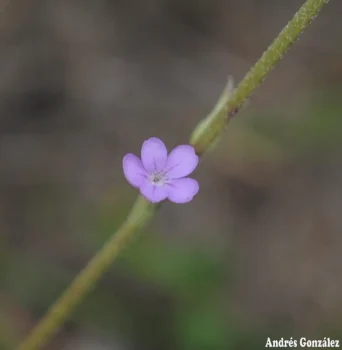
Elongated Bluehearts: A Native Wetland Gem for Specialized Gardens
If you’re looking to add a touch of wild beauty to your wetland garden or bog area, elongated bluehearts (Buchnera longifolia) might just be the perfect native plant for you. This charming biennial brings delicate purple-blue blooms to some of the Southeast’s most challenging growing conditions – and it does so with remarkable grace.
What Makes Elongated Bluehearts Special
Elongated bluehearts is a native plant species found naturally in Alabama, Georgia, Mississippi, and Puerto Rico. As a biennial, this plant follows a two-year life cycle – spending its first year establishing roots and foliage, then blooming in its second year before setting seed. The plant gets its common name from its distinctively shaped flowers and elongated leaves that set it apart from other members of its family.
You might also encounter this plant listed under its botanical synonym, Buchnera elongata, in older gardening references or plant databases.
- Species observed
- No observations
A True Water Lover
Here’s where things get interesting – elongated bluehearts is classified as an obligate wetland plant in the Caribbean region, meaning it almost always occurs in wetlands. This isn’t a plant that tolerates occasional dry spells or moist but well-draining soil. It genuinely thrives in consistently wet conditions that would spell doom for many other garden plants.
Garden Appeal and Design Role
While elongated bluehearts may not be the showiest plant in your garden, it offers subtle charm with its small, tubular blue to purple flowers arranged in delicate spikes. The narrow, elongated leaves create an interesting texture contrast when paired with broader-leafed wetland plants.
This plant shines in:
- Bog gardens and natural wetland areas
- Native plant restoration projects
- Rain gardens in appropriate climates
- Naturalized areas near ponds or streams
Supporting Local Wildlife
The tubular flowers of elongated bluehearts are perfectly sized for small native bees and butterflies, making this plant a valuable addition to pollinator-friendly landscapes. As a native species, it has co-evolved with local wildlife and provides resources that non-native plants simply can’t match.
Growing Conditions and Care
Successfully growing elongated bluehearts requires embracing its wetland nature. This plant is suited for USDA hardiness zones 8-11, reflecting its natural range across the warmer regions of the Southeast and Caribbean.
Essential growing requirements:
- Moisture: Consistently wet to saturated soil – think bog conditions
- Light: Full sun to partial shade
- Soil: Tolerates various soil types as long as they remain wet
- Climate: Warm, humid conditions preferred
Planting and Care Tips
Growing elongated bluehearts can be challenging outside of its natural habitat, but it’s definitely possible with the right setup:
- Start with seeds or seedlings from reputable native plant sources
- Create bog-like conditions using a lined depression or container garden
- Maintain consistent moisture – the soil should never dry out
- Allow the plant to complete its biennial cycle naturally
- Collect seeds after the second year’s bloom for future plantings
Is Elongated Bluehearts Right for Your Garden?
This plant is perfect for gardeners who want to create authentic wetland habitats or restore natural areas. However, it’s definitely not for everyone. If you don’t have naturally wet conditions or aren’t prepared to maintain consistently saturated soil, elongated bluehearts will likely struggle in your garden.
Consider this native beauty if you have:
- A bog garden or wetland restoration project
- Consistently wet areas in your landscape
- A passion for native plants and wildlife habitat
- The patience for biennial plants that take two years to flower
While elongated bluehearts may not be the easiest native plant to grow, it offers something truly special for gardeners willing to work with its unique requirements. By providing the wet conditions it craves, you’ll be rewarded with delicate blooms and the satisfaction of supporting local ecosystems with an authentic native plant.