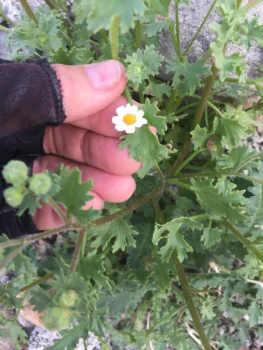
Emory’s Rockdaisy: A Charming Desert Native for Water-Wise Gardens
If you’re looking for a delightful little wildflower that thrives in tough conditions and asks for almost nothing in return, let me introduce you to Emory’s rockdaisy (Perityle emoryi). This scrappy annual might be small in stature, but it’s big on charm and perfectly suited for gardeners who appreciate low-maintenance native plants.
Meet Your New Desert Friend
Emory’s rockdaisy is a true native of the American Southwest, naturally occurring across Arizona, California, Nevada, and Utah. As its common name suggests, this little forb has a particular fondness for rocky terrain and desert landscapes. Don’t let the word daisy fool you into thinking it’s delicate – this is one tough cookie that actually prefers the challenging conditions that would make other plants wilt.
- Species observed
- No observations
Being an annual, Emory’s rockdaisy completes its entire life cycle in one growing season, but what a show it puts on! From spring through fall, it produces masses of tiny, cheerful daisy-like flowers with crisp white petals surrounding bright yellow centers.
Why You’ll Want This Plant in Your Garden
There are plenty of reasons to fall in love with Emory’s rockdaisy:
- Water-wise champion: Once established, it’s incredibly drought tolerant and perfect for xeriscaping
- Pollinator magnet: Native bees, butterflies, and other beneficial insects absolutely adore the small but numerous flowers
- Low maintenance: This plant actually prefers poor, rocky soils and doesn’t need fertilizer or regular watering
- Long blooming period: Enjoy flowers from spring through fall with proper growing conditions
- Natural beauty: Perfect for creating that effortless, wild desert garden look
Perfect Garden Companions and Placement
Emory’s rockdaisy shines brightest in desert gardens, rock gardens, and naturalized landscapes. It’s an excellent choice for those tricky spots where other plants struggle – think slopes, areas with poor drainage, or spaces between rocks and boulders. The compact growth habit makes it perfect as a ground cover or for filling in gaps in your xeriscape design.
This little beauty plays well with other southwestern natives like desert marigold, brittlebush, and various cacti and succulents. Its delicate texture provides a lovely contrast to more architectural desert plants.
Growing Conditions: Less is More
Here’s where Emory’s rockdaisy really shows its easy-going personality. This plant thrives in USDA hardiness zones 8-11 and prefers:
- Full sun: At least 6-8 hours of direct sunlight daily
- Well-draining soil: Sandy, rocky, or gravelly soils are ideal – avoid heavy clay
- Minimal water: Drought tolerant once established; overwatering is more harmful than underwatering
- Good air circulation: Prevent any moisture-related issues in humid climates
Planting and Care Tips
The best part about growing Emory’s rockdaisy? It’s almost foolproof if you give it the right conditions:
- Timing: Direct seed in fall for best results, allowing natural winter stratification
- Soil prep: If your soil is too rich or retains too much moisture, add sand or gravel to improve drainage
- Watering: Water lightly until germination, then reduce frequency – established plants rarely need supplemental water
- Fertilizing: Skip the fertilizer entirely – this plant actually performs better in poor soils
- Maintenance: Deadhead spent flowers to encourage continued blooming, though many gardeners prefer to let it self-seed
Supporting Local Wildlife
One of the most rewarding aspects of growing Emory’s rockdaisy is watching the parade of pollinators it attracts. Native bees, small butterflies, and beneficial insects visit the flowers regularly, making your garden a mini wildlife haven. The extended blooming period means you’ll be providing nectar sources throughout much of the growing season.
Is This Plant Right for Your Garden?
Emory’s rockdaisy is perfect for you if you’re gardening in the Southwest, appreciate native plants, want to support local pollinators, and prefer low-maintenance gardening. However, if you live outside zones 8-11, have heavy clay soil, or prefer plants that need regular attention, you might want to consider other options.
For gardeners in cooler climates looking for similar charm, consider native alternatives like fleabane daisies or asters that are better suited to your region.
With its cheerful flowers, easy-care nature, and valuable wildlife benefits, Emory’s rockdaisy proves that sometimes the best garden plants are the ones that ask for the least but give back the most. Give this little desert gem a try – you might just find it becomes one of your favorite low-maintenance performers!