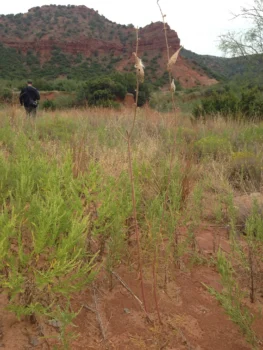
Engelmann’s Milkweed: A Prairie Gem for Low-Maintenance Native Gardens
If you’re looking for a tough, drought-tolerant native plant that butterflies absolutely adore, let me introduce you to Engelmann’s milkweed (Asclepias engelmanniana). This unassuming prairie perennial might not win any flashy flower contests, but it’s a workhorse in the native plant world that deserves a spot in the right garden.
What Is Engelmann’s Milkweed?
Engelmann’s milkweed is a native perennial that’s perfectly at home across the Great Plains and southwestern United States. You might also see it listed under its old scientific names, Acerates auriculata or Asclepias auriculata, but don’t let the name changes fool you – it’s the same reliable plant.
This milkweed grows naturally in Arizona, Colorado, Iowa, Kansas, Nebraska, New Mexico, Oklahoma, Texas, Utah, and Wyoming, making it a true child of America’s heartland.
- Species observed
- No observations
Why You’ll Want This Plant in Your Garden
Here’s where Engelmann’s milkweed really shines – it’s practically bulletproof once established. This tough little perennial thrives in conditions that would make other plants wilt with despair.
Pollinator Powerhouse
Like all milkweeds, Engelmann’s milkweed is a magnet for butterflies, especially our beloved monarchs. It serves double duty as both a nectar source for adult butterflies and a host plant where monarchs can lay their eggs. Native bees and other beneficial insects also flock to its clusters of small, greenish-white to yellowish flowers.
Perfect for Prairie and Xeriscape Gardens
This plant is tailor-made for:
- Prairie restorations and naturalized landscapes
- Drought-tolerant xeriscaping projects
- Pollinator gardens in arid regions
- Low-maintenance native plant borders
Growing Engelmann’s Milkweed Successfully
The Right Conditions
Engelmann’s milkweed is hardy in USDA zones 4-9, but it’s happiest in full sun with well-drained soil. In fact, this plant actually prefers lean, alkaline soils over rich garden earth – too much fertility can make it grow weak and floppy.
Planting and Care Tips
Here’s the beautiful thing about this milkweed – it’s almost maintenance-free once you get it going:
- Starting from seed: Direct sow seeds in fall, or cold stratify them for 30 days before spring planting
- Watering: Water during establishment, then step back – this plant is seriously drought tolerant
- Soil: Avoid rich, amended soils; it prefers things a bit rough around the edges
- Maintenance: Minimal pruning needed; allow it to self-seed for natural colonies
What to Expect
Don’t expect a showy flower display – Engelmann’s milkweed is more about subtle beauty and ecological function than garden glamour. Its narrow, linear leaves give it a fine-textured appearance, and the small flowers cluster together in dense, rounded heads. The real show comes later with attractive seed pods that split open to release silky-white seeds that dance on the wind.
Is This Plant Right for Your Garden?
Engelmann’s milkweed is perfect if you:
- Live within its native range and want to support local ecosystems
- Need a drought-tolerant plant for challenging sites
- Want to create habitat for monarchs and other butterflies
- Prefer low-maintenance, naturalized plantings over formal gardens
However, you might want to look elsewhere if you’re seeking a plant with showy flowers for a formal perennial border or if you live outside its native range – there are likely better native milkweed options for your specific region.
The Bottom Line
Engelmann’s milkweed might not be the flashiest plant in the native garden, but it’s definitely one of the most reliable. For gardeners in its native range who want to support pollinators while embracing a truly low-maintenance approach to landscaping, this prairie survivor is hard to beat. Sometimes the best garden plants are the ones that simply do their job quietly and well – and that’s Engelmann’s milkweed in a nutshell.